Choosing the Right Fitness Tracker in 2026 — Here’s What Actually Matters
Look, I’m going to be straight with you.
⚡ AS FEATURED IN GQ, MEN’S HEALTH & BUSINESS INSIDER
The Secret AI Workout Tracker That Actually Learns How You Move
No generic routines. No guessing games. Just a coach-built system that auto-adjusts to your equipment, goals, and schedule in seconds.
Calculate My Personal Plan ➔Takes less than 60 seconds • Start Your Risk-Free Trial
I’ve seen so many people — seriously, thousands of people — drop money on a fitness tracker and then leave it in a drawer two weeks later. Maybe it was too complicated. Maybe it kept dying. Maybe it buzzed every five minutes with notifications they didn’t care about. Sound familiar?
Here’s the thing: choosing the right fitness tracker isn’t about getting the fanciest one. It’s about getting the RIGHT one for YOUR life. And that’s a totally different conversation.
I’ve been in the fitness world for years. I’ve tested budget wristbands, mid-range trackers, premium smartwatches — you name it. And what I’ve found is that most people don’t need what the big brands are trying to sell them. They need something that works, stays on their wrist, and actually helps them move more and sleep better.
So today, we’re breaking it all down. I’ll walk you through 4 solid fitness trackers — from the “I just want something simple, no fuss” crowd all the way to folks who want real health data on their wrist. Then I’ll close out with a clear, no-fluff buying guide so you walk away knowing exactly what to get.
Table of Contents
Let’s go
The 4 Best Fitness Trackers Worth Your Money Right Now
#1 — ENGERWALL Fitness Tracker (B08PF9V27X) — Best Budget Tracker with Full Health Monitoring
Price Range: ~$20–$25 | Rating: 3.7/5 (8,148 reviews) | 1,000+ bought last month
Alright, let’s start here because this one is a bit of a hidden gem for the price — and also has some honest trade-offs you really need to know about before you buy.
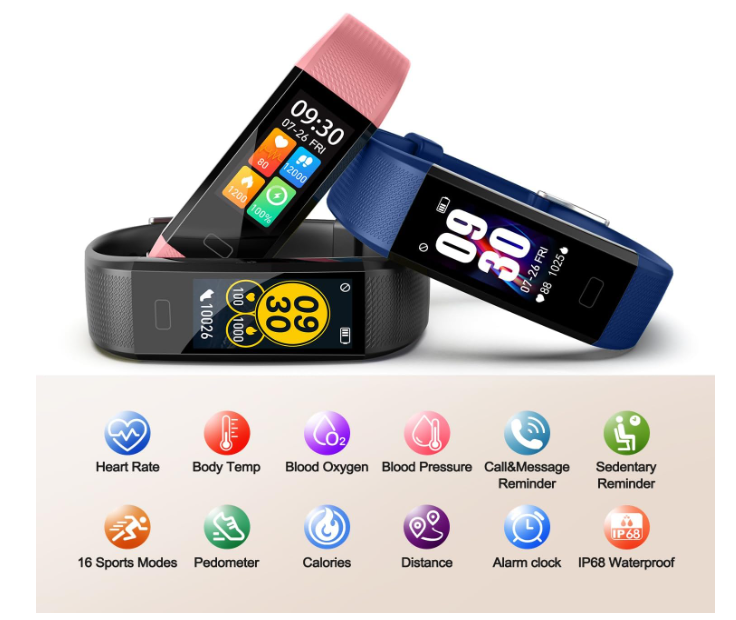
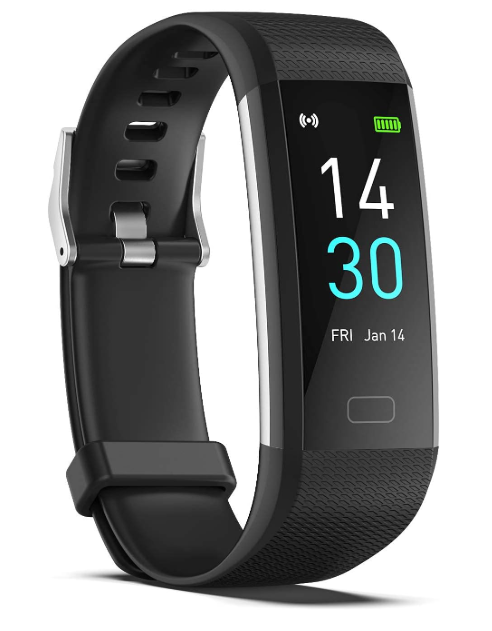
The ENGERWALL is one of those trackers that looks way more expensive than it actually is. It has a very slim profile that makes it look more like a stylish wristband than a piece of tech, and the display is bright and clear, giving you immediate access to the time and your current step count. For under $25, that’s genuinely impressive.
What It Tracks
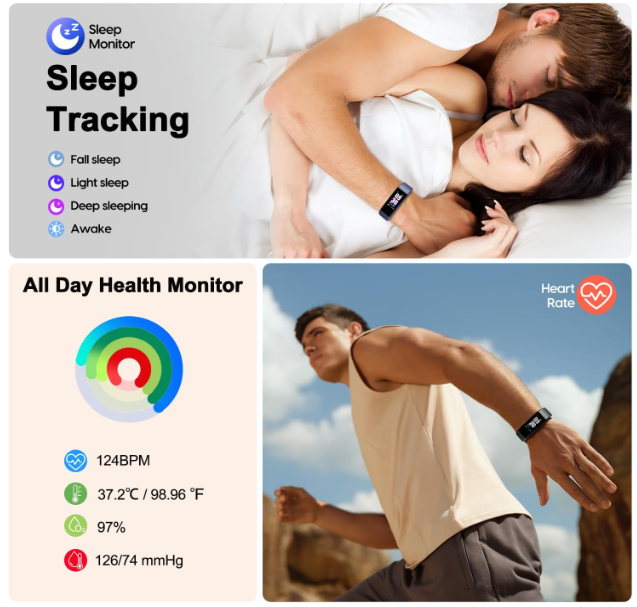
The ENGERWALL IP68 waterproof fitness tracker records and tracks your daily steps, calories burned, exercise distance and time. It also monitors body temperature, heart rate, blood oxygen, and blood pressure. It breaks your sleep into light, deep, and REM stages — something you usually only see on trackers that cost three times more.
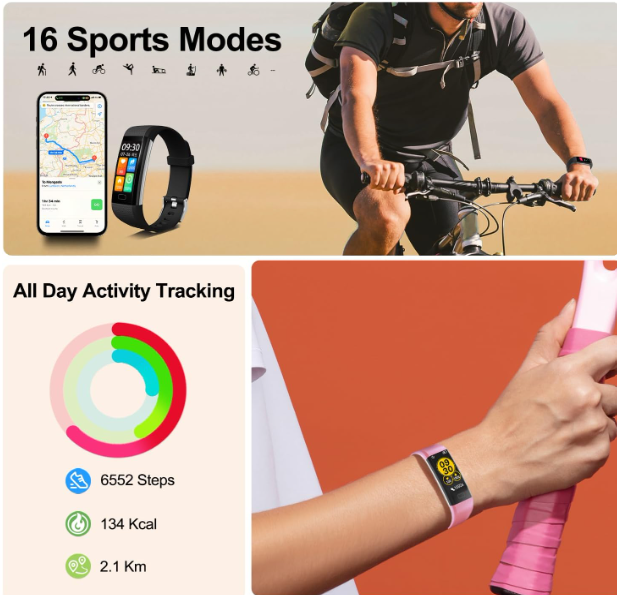
It supports 16 distinct sports modes — whether you’re running, cycling, or doing an evening yoga session, the tracker captures workout time, heart rate, and distance covered. Medium
It connects to the Runmefit app on both Android and iOS, which is where you’ll find your full history, heart rate curves, and sleep breakdowns.
Real User Consensus
Here’s where I keep it completely real with you. The ENGERWALL Fitness Tracker has received mixed feedback. Customers appreciate its affordability and functionality, but some users have noted occasional syncing issues with the mobile app. aestheticbeats
Some users have flagged step counting inconsistencies — with one reviewer noting the tracker only counted 22 steps after around 200 actual steps before getting stuck. For casual walkers tracking daily trends rather than precise numbers, most people still walk away satisfied.
Many budget trackers struggle with Bluetooth pairing, but this one synced with smartphones within minutes in most reported experiences — which is a genuine plus at this price.
✅ Pros
- Extremely affordable (under $25)
- IP68 waterproof — wear it swimming, washing dishes, in the rain
- Slim, lightweight design — comfortable for all-day and overnight wear
- Tracks heart rate, blood oxygen, body temperature, and sleep stages
- 16 sport modes via the Runmefit app
- Battery life: 5–7 days on a full charge with typical use
❌ Cons
- Step counting accuracy can be inconsistent
- Occasional Bluetooth syncing issues with the Runmefit app
- No built-in GPS
- Sleep tracking can misread wake times
- Display is not as vibrant as premium models
- ⚠️ Warning: Blood pressure readings are unverified and unreliable on budget sensors — do not use this device for medical decisions
👤 Best For
Budget-conscious beginners, teenagers, older adults who want basic health awareness without complexity, and anyone trying out their very first fitness tracker without a big financial commitment.
#2 — GRV Fitness Tracker Non-Bluetooth (B09J8S3S5Q) — Best for Simplicity & Zero Tech Hassle
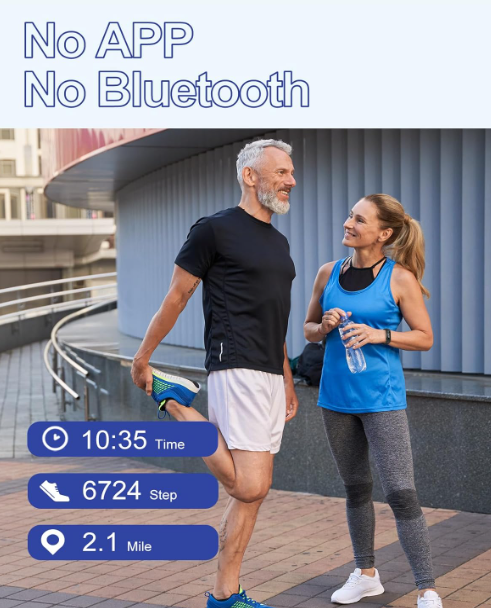
GRV Fitness Tracker Non Bluetooth Fitness Watch No App No Phone Required Waterproof Pedometer Watch with Steps Calories Counter Sleep Tracker for Men Women
🏆 TOP-RATED CUSTOM HOME FITNESS & DIETARY BLUEPRINT
The Smart Home Workout Planner That Auto-Adjusts To Your Goals
No gym required. Skip the generic routines with an adaptive plan, step-by-step guidance, motivational tips, and structured dietary support built for you.
Build My Custom Home Plan ➔Trusted By Millions Globally • Start Your Risk-Free Trial Today
Price Range: ~$20–$30 | Rating: 3.5/5 (4,247 reviews) | 3 Sustainability Features
Okay, this one is going to surprise a lot of people — because on paper, “no Bluetooth, no app, no phone required” sounds like a step backwards. But hear me out, because for a huge chunk of people, this is actually the PERFECT tracker.
The GRV Fitness Tracker Non-Bluetooth is a step counter wristband that tracks your activity and the calories you burn. What makes it genuinely stand out is that it doesn’t sync to your phone or tablet via Bluetooth and requires no downloads, so you can use it as a completely independent fitness tracker without losing any core functionality.
Think about the people in your life who just want to know how many steps they took today, how well they slept last night, and roughly how many calories they burned. They don’t want to fiddle with an app. They don’t want Bluetooth pairing headaches. They just want to strap something on their wrist and get moving. That’s exactly who this tracker was built for.
What It Tracks
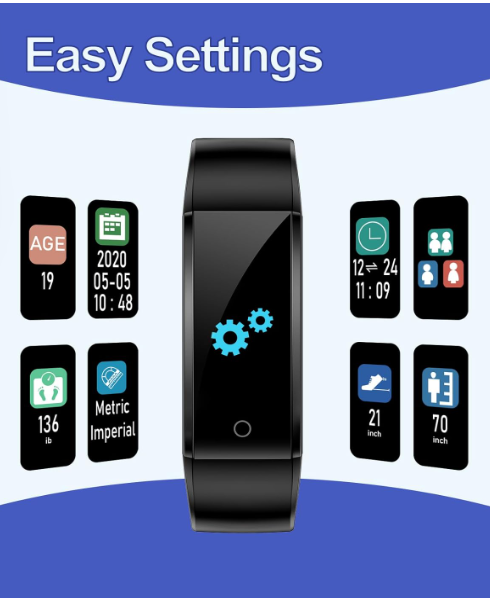
The GRV tracks the number of steps you take each day, daily calories burned, distance walked, and sleep time. It’s lightweight and flexible, comfortable to wear around the clock. Setup is quick — you just enter your time, date, weight, age, and height, and you’re good to go.
Everything is stored directly on the device. You don’t need a phone nearby. You don’t need Wi-Fi. You just look at your wrist and check your numbers. It honestly doesn’t get simpler than that.
Real User Consensus
Verified buyer feedback consistently includes comments like “Easy and no Bluetooth — exactly what I was looking for” and “Wanted a way to track my steps without Bluetooth, this does it.” The community consensus is clear: people who buy this know exactly what they want, and they’re getting it.
One customer put it perfectly: “Accuracy is not its strong point. Simplicity IS! If you just need trends and ballpark numbers for tracking your fitness, this is perfect.
Around 76% of users found the tracking accuracy acceptable, while 24% faced issues. The band didn’t cause skin irritation for most wearers, and the screen is easy to read.
One thing worth flagging upfront: the GRV does not have an alarm clock function, and because it doesn’t connect to a smartphone, it cannot sync to Google Fit. If either of those matter to you, it’s better to know now.
✅ Pros
- Zero setup complexity — no app, no phone, no Bluetooth, no headaches
- Perfect for seniors, parents, kids, and digital minimalists
- Waterproof build — wear it all day, every day
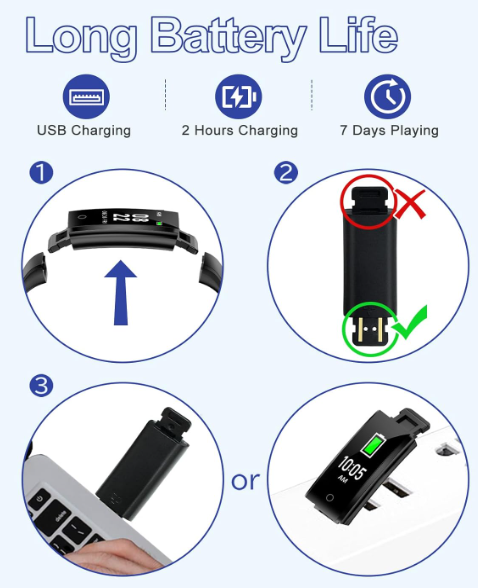
- Longer battery life than Bluetooth models (no constant connection draining power)
- 3 verified sustainability certifications — eco-conscious choice
- Skin-friendly band that doesn’t irritate during extended wear
❌ Cons
- No heart rate monitoring whatsoever
- No alarm clock function
- Cannot sync to Google Fit, Apple Health, or any health platform
- Step accuracy is “ballpark” rather than precise
- Very basic display — no color screen, no app data visualizations
- Not suitable for anyone who wants detailed workout breakdowns
👤 Best For
Elderly parents, kids, people recovering from illness who just want to monitor basic movement, digital detox advocates, or anyone who wants a dead-simple daily step and sleep tracker that works completely independently — no phone required, ever.
#3 — Fitbit Inspire 3 — Best for Beginners Who Want Reliable Data Without Overwhelm
Price Range: ~$69–$99 | Rating: 4.2/5 | Amazon Bestseller
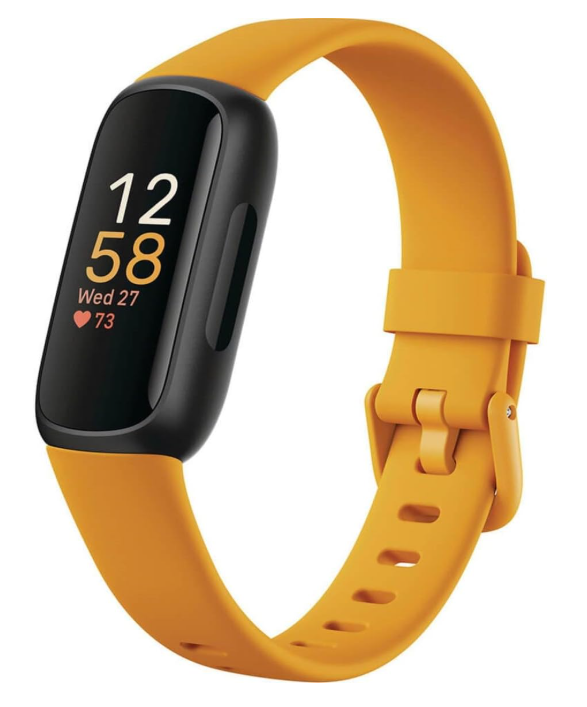
Step up in budget, step way up in experience. The Fitbit Inspire 3 is one of the most beginner-friendly fitness trackers ever made — and it backs that friendliness up with genuinely reliable, well-presented health data.
The Fitbit Inspire 3 remains Fitbit’s simplest and most beginner-friendly tracker. It tracks everyday essentials like steps and heart rate, alongside broader health metrics including heart rate variability, stress, breathing rate, and time spent in different heart rate zones during exercise. It also supports sleep stage tracking, guided breathing exercises, and a general cardio fitness estimate.
What truly separates the Inspire 3 from the two budget options above is Fitbit’s app ecosystem. It is clean, it is intuitive, and it presents your data in a way that actually makes sense — even if you’ve never looked at a health metric in your life. You can see your sleep trends over weeks, your resting heart rate patterns, your stress levels across the month, and how your activity compares to your own personal baseline.
This isn’t just data for data’s sake. Fitbit has spent years figuring out how to make health information feel motivating rather than overwhelming. And the Inspire 3 is the most accessible entry point into that ecosystem.
What It Tracks
The Inspire 3 tracks steps, heart rate, heart rate variability, stress, breathing rate, heart rate zone minutes during exercise, sleep stages, and provides a general cardio fitness estimate. It also includes guided breathing exercises and connects to your phone for route tracking during runs, walks, and bike rides, with workout data viewable in the Google Health app.
On top of that, you get a Daily Readiness Score — which tells you each morning whether your body is primed to push hard or whether you should dial it back and recover. That single feature alone has helped thousands of users avoid overtraining and burnout.
The Active Zone Minutes system is another standout. Instead of just counting steps — which has always been an imperfect measure of real fitness effort — it tracks the time you spend with your heart rate genuinely elevated. Fifteen minutes of intense cycling counts for far more than 3,000 casual steps, and the Inspire 3 reflects that.
Real User Consensus
Across Reddit’s r/fitbit community, verified Amazon reviews, and fitness forums, the Inspire 3 consistently earns praise for three things: sleep tracking accuracy, ease of setup, and long-term wearability. People forget it’s on their wrist — which sounds like a small thing until you’ve worn a chunky, uncomfortable tracker that you end up taking off.
The main complaints center on two things. First, Fitbit pushes their Fitbit Premium subscription to unlock the full depth of your data — features like detailed sleep coaching, advanced readiness insights, and mindfulness content sit behind a paywall. At around $10/month or $80/year, it adds up. The free version is still solid, but the upsell can feel pushy after a while.
Second, there’s no built-in GPS. The Inspire 3 can connect to your phone’s GPS for route tracking during outdoor workouts, but it cannot track routes independently without your phone nearby. For casual walkers and gym-goers, that’s rarely a problem. For runners who like to go phoneless, it’s a real limitation.
Battery life comes in at around 10 days with regular use — better than most mid-range trackers, and miles ahead of a full smartwatch.

✅ Pros
- Industry-leading sleep stage tracking with multi-week trend analysis
- Daily Readiness Score helps you train smarter, not just harder
- Active Zone Minutes beats basic step counting for real fitness measurement
- Incredibly user-friendly app — genuinely one of the best in the business
- Heart rate variability and stress tracking included
- Works seamlessly with both iOS and Android
- Up to 10-day battery life
- Slim, light design — comfortable enough to sleep in
❌ Cons
- No built-in GPS — needs your phone for route tracking
- Fitbit Premium subscription required for full data access (~$10/month)
- No music storage or contactless payments
- No blood oxygen monitoring during the day (only overnight SpO₂ tracking)
- Pricier than the ENGERWALL and GRV — roughly 3x the cost
👤 Best For
True beginners who want a trusted brand, reliable and well-presented data, and a clean app experience they’ll actually enjoy opening every morning. Also ideal for people prioritizing sleep quality improvement, stress awareness, and building consistent daily activity habits over time.
#4 — Xiaomi Smart Band 9 — Best Value for Tech-Savvy Users Who Want Premium Features on a Budget
Price Range: ~$30–$50 | Rating: 4.4/5 | Widely Recommended
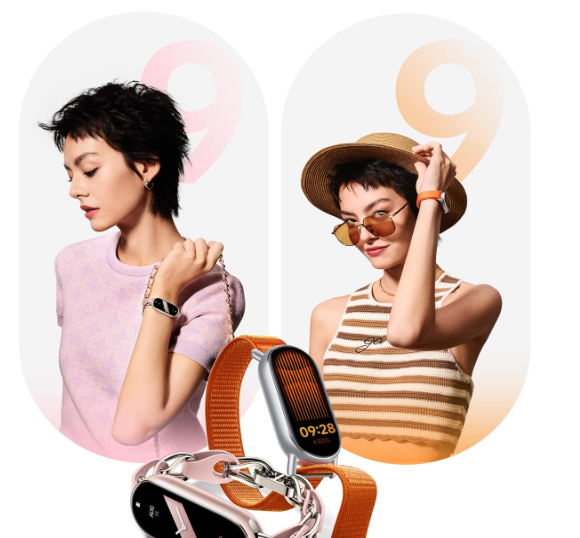
If you want the most tracker for your money — I mean genuinely the best specs-to-price ratio on the market right now — the Xiaomi Smart Band 9 is hard to argue with. This thing punches so far above its price tag it honestly makes more expensive trackers look embarrassed.
This release features a larger, brighter, and faster-refreshing AMOLED screen that feels incredibly premium for the price. The fitness tracking basics are all covered: it reliably tracks steps, 24/7 heart rate, and sleep duration. It’s also packed with an almost overwhelming number of sports modes and includes SpO₂ monitoring.
You read that right. A color AMOLED display — the same type of screen you’d find on a Fitbit Charge 6 or a Samsung Galaxy Fit — on a tracker that costs under $50. The screen alone makes this device feel like it should cost twice as much.
The battery life is the main draw, easily lasting two weeks between charges. The data isn’t as polished as Fitbit’s, and the app can be busy. Yet, for a simple, motivational, set-and-forget tracker, this offers 90% of the features for 30% of the price.
That’s one of the most accurate product summaries I’ve read in a long time. You’re getting sleep tracking, SpO₂, continuous heart rate, a beautiful screen, two weeks of battery, 100+ sports modes, and a device that genuinely looks great on your wrist — all for around $35–$50.
What It Tracks
The Smart Band 9 monitors steps, distance, calories burned, 24/7 heart rate, blood oxygen (SpO₂), sleep stages (light, deep, REM), stress levels, and menstrual cycle tracking. It supports over 100 sports modes covering everything from outdoor running and swimming to indoor cycling and even yoga. All data syncs to the Mi Fitness app on both iOS and Android.
Real User Consensus
Reddit’s r/fitness and r/Xiaomi communities consistently vote the Smart Band series as the top budget tracker recommendation for anyone who actually cares about their data. The two most common complaints are the Mi Fitness app feeling cluttered and slightly harder to navigate compared to Fitbit’s app, and accuracy on some of the more niche sports modes being inconsistent.
That said, the core metrics — step counting, heart rate, and sleep staging — are highly regarded for a device at this price point. The two-week battery life in particular is a recurring highlight in virtually every user review. People are genuinely shocked that something this affordable lasts this long between charges.
One important note: the Xiaomi ecosystem is built around the Mi Fitness app, which requires a Xiaomi account. Some privacy-conscious users in forums have flagged this. If data privacy is a significant concern for you, it’s worth researching before buying.
✅ Pros
- Stunning color AMOLED screen — looks premium, feels premium
- Two-week battery life — one of the best in any price category
- SpO₂ (blood oxygen), stress tracking, and menstrual tracking included
- 100+ sports modes
- Slim, stylish design that looks good in any setting
- Genuinely excellent value — one of the best buys in wearables period
❌ Cons
- Mi Fitness app can feel cluttered and harder to navigate than Fitbit’s
- Requires a Xiaomi account — privacy consideration worth noting
- No built-in GPS
- Some niche sport mode accuracy is inconsistent
- Data presentation not as beginner-friendly as Fitbit’s app
👤 Best For
Tech-savvy users who want serious, comprehensive health data without a serious price tag. Perfect for young professionals, gym-goers, runners who track indoor workouts, and anyone who has outgrown a basic tracker but isn’t ready to spend $150 or more on a premium device.
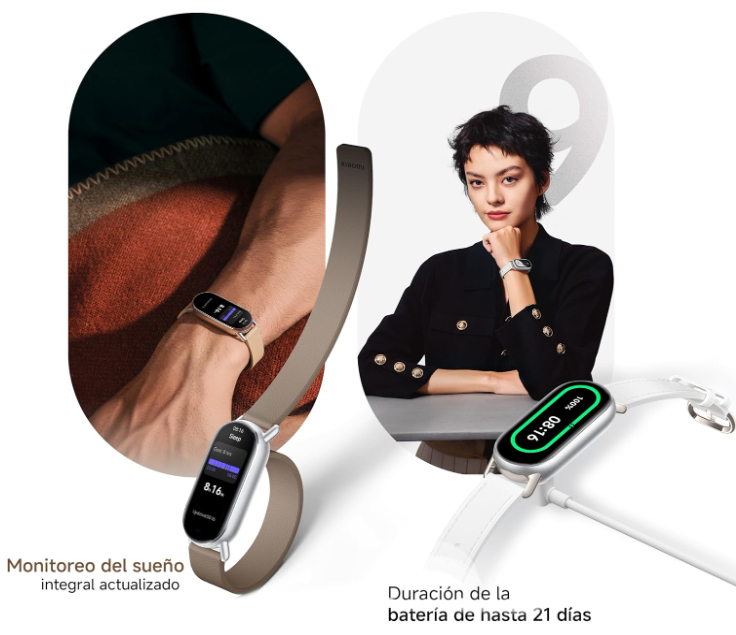
XIAOMI Smart Band 9 Global Version (2024) 1.62 Amoled Display 233 mAh Battery up to 21 Days of Battery Life Over 150 Workout Modes BT 5.4 50M
Your No-Nonsense Buying Guide: How to Actually Choose the Right Fitness Tracker
Alright, here’s where we pull it all together. No jargon, no confusion, no pressure. Just a straight-talking guide that helps you match the right tracker to your actual life.
Step 1: Get Clear on Your “Why” First
This is honestly the most important step of all — and most people skip it. Before picking a fitness tracker, it’s important to know what you want to achieve. If your main goal is to be more active, a basic tracker that counts steps, tracks calories burned, and monitors daily movement will work perfectly.
For weight loss, you might want a tracker with calorie monitoring and heart rate tracking that syncs with nutrition apps. For endurance training — running, swimming, or cycling — a device with GPS and performance metrics is essential.
Here’s a simple cheat sheet:
- “I just want to move more and stop being sedentary” → GRV Non-Bluetooth or ENGERWALL
- “I want to sleep better and reduce stress” → Fitbit Inspire 3
- “I want real fitness data without spending much” → Xiaomi Smart Band 9
- “I’m totally new to this and want something that just works” → Fitbit Inspire 3
- “I hate tech and just want the bare basics” → GRV Non-Bluetooth
- “I go to the gym regularly and want workout insights” → Xiaomi Smart Band 9 or Fitbit Inspire 3
Step 2: Be Honest About Battery Life Expectations
Battery life is one of the most important features to think about in 2025. A high-performance battery ensures continuous monitoring without frequent charging — especially crucial when you’re away from power sources and need your tracker working continuously.
Here’s exactly what you’re getting across these four picks:
- ENGERWALL — 5–7 days typical use
- GRV Non-Bluetooth — up to 10+ days (no Bluetooth = less drain)
- Fitbit Inspire 3 — up to 10 days
- Xiaomi Smart Band 9 — up to 14 days
If you know you’re going to forget to charge things or you travel a lot, lean toward the GRV or Xiaomi. If you’re fine with a weekly charge, any of these work fine.
Step 3: Decide How You Feel About Apps
This question matters more than most people realize. Apps are where your data lives — and if you hate using the app, you’ll hate the tracker.
There are basically three types of people here:
“I don’t want an app at all” — This is the GRV Non-Bluetooth crowd. No app needed, ever. Everything lives on the watch itself. Simple, private, completely independent.
“I want an app but I need it to be super easy” — This is the Fitbit Inspire 3 crowd. Fitbit’s app is widely regarded as one of the most intuitive health apps in existence. The dashboard is clear, the data is easy to read, and it motivates without overwhelming.
“I actually enjoy digging into my data” — This is the Xiaomi Smart Band 9 crowd, and to a lesser extent the ENGERWALL crowd. You’ll get more raw numbers, more sports modes, and more detail to explore — but the app takes a little more patience to navigate.
Step 4: Waterproofing — Don’t Overlook This
If you swim or want to wear your tracker in all weather, water resistance is a necessary feature. Check the waterproof rating if swimming or intense sweating is part of your routine.
Good news: all four trackers reviewed here have waterproof ratings. The ENGERWALL and GRV both carry an IP68 rating, meaning they can handle being submerged in water up to 1.5 meters for 30 minutes. The Fitbit Inspire 3 is swim-proof up to 50 meters. The Xiaomi Smart Band 9 carries a 5ATM waterproof rating — also suitable for swimming.
The main thing to remember: none of these are designed for hot tubs, saunas, or high-pressure water. Daily swimming, showers, sweat, rain — all fine. Prolonged hot water exposure — not recommended for any of them.
Step 5: Comfort Is Non-Negotiable — Especially for Sleep Tracking
Since you’ll likely wear your fitness tracker all day — and maybe even while sleeping — comfort and design matter. The band material is key. Most trackers come with silicone or rubber bands that are sweat-resistant.
All four options here use lightweight, skin-friendly silicone bands. The ENGERWALL is specifically praised for its ultra-slim profile that disappears on your wrist. The GRV gets consistent positive mentions for not causing any skin irritation during extended wear. The Fitbit Inspire 3 is widely regarded as one of the most comfortable sleep trackers available at any price point. The Xiaomi Smart Band 9 is slim enough that most users report forgetting it’s there.
One tip: if you have a history of skin sensitivity or allergies, check whether the tracker offers band replacements. The ENGERWALL, Fitbit Inspire 3, and Xiaomi Smart Band 9 all support replacement bands in various materials.
Step 6: Set a Realistic Budget — And Stick to It
The best fitness tracker is the one you’ll actually wear consistently. A $50 tracker you wear every day is infinitely better than a $300 tracker that sits in a drawer because it’s too complicated or too precious to risk scratching at the gym.
Here’s a clean budget breakdown:
Under $25 — Entry Level
The ENGERWALL and GRV Non-Bluetooth both live here. These are excellent starting points for people who are new to tracking, buying for an elderly parent, or genuinely unsure whether they’ll use a tracker consistently. The trade-off is accuracy limitations and fewer features — but for building the basic habit of paying attention to your body, they do the job.
$30–$50 — Best Value Zone
This is where the Xiaomi Smart Band 9 sits, and honestly, this price bracket is where the most impressive value in the entire wearables market currently lives. You’re getting features that were premium just three years ago — AMOLED screens, SpO₂ monitoring, two-week battery, 100+ sports modes — for the price of a few takeaway meals.
$70–$100 — Trusted Mid-Range
The Fitbit Inspire 3 lives here, and it earns every dollar for the right buyer. You’re paying for the brand’s years of data refinement, one of the best sleep tracking systems available, a genuinely polished app, and the trust that comes from a device built to a higher accuracy standard. If consistency and long-term health habit building matter to you, this investment pays off.
Step 7: One Final Check — Will You Actually Wear It?
This sounds obvious. It isn’t. Honestly, before you finalize your choice, picture yourself wearing that specific tracker in three different situations:
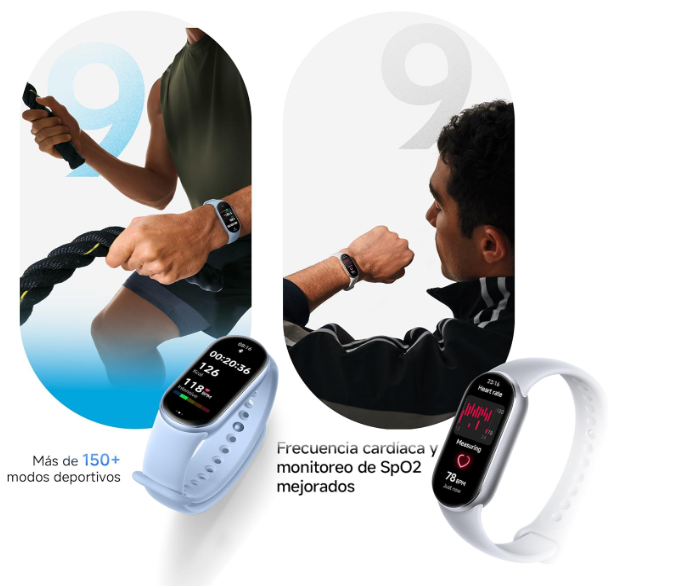
- At the gym or on a run — Is it slim enough not to feel bulky? Will it track the workout type you actually do?
- At work or a social event — Does it look okay enough that you won’t feel embarrassed or want to take it off?
- In bed at night — Is it light and comfortable enough that you’ll leave it on for sleep tracking?
If the answer to all three is yes, that’s your tracker. Buy it. Wear it every day. Start small — just pay attention to your step count and sleep for the first two weeks. Build from there.
Final Verdict: Here’s Exactly What I’d Tell a Friend
If my mum asked me which one to get — GRV Non-Bluetooth. No confusion, no tech, just strap it on and go. Perfect.
If my gym buddy on a tight budget asked — ENGERWALL. More features than you’d expect under $25, just know the blood pressure readings aren’t medical-grade and the accuracy is “directional” rather than precise.
If someone brand new to fitness tracking asked and wanted to actually stick with it — Fitbit Inspire 3. The app will keep you coming back. The sleep data alone is worth it.
If a young, tech-comfortable person asked who wants the most bang for their buck — Xiaomi Smart Band 9. Two-week battery, AMOLED screen, full health suite, under $50. It’s genuinely one of the best value purchases in the entire wearables category right now.
Whichever you pick, remember this: the habit is worth more than the hardware. Put it on. Keep it on. Check in with your body every day. That single habit — knowing your numbers, noticing your patterns — is what actually changes your health over time.
Grid

Furious Formulations Reviews: find out the secrets now
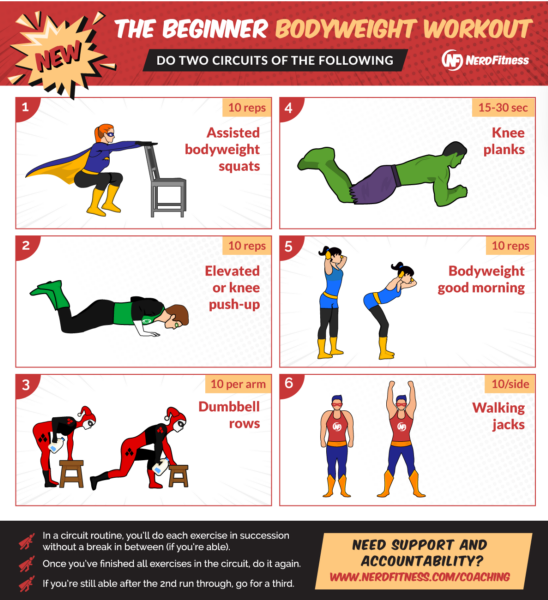
Effective Home Workout Routines: secrets routines fast
Best Home Gym Equipment Website: 4 secret Picks (2026)
Best Home Workout System Reviews: 4 tested that Work
exercise equipment reviews: 4 secrets

Furious Pete Eating: Guinness World record champion secrets
You’ve got this.
📣 Share This With Someone Who Needs It
If this guide helped you figure out which tracker is right for you, do someone a favor and share it with a friend, family member, or gym buddy who’s been on the fence. You know at least one person who’s been asking about getting more active or sleeping better — send them this page.
Sharing takes two seconds. But it could genuinely help someone make a smarter decision, avoid wasting money on the wrong device, and finally start paying attention to their health. That’s what this is really about. Share the love.
⚠️ Affiliate Disclaimer: This post contains Amazon affiliate links. If you click through and buy something, we may earn a small commission — at no extra cost to you. We only recommend products we’ve genuinely researched and believe in. Your trust means everything to us.
Last updated: June 2026 | This article contains affiliate links. We may earn a commission at no additional cost to you. Always consult a medical professional for health-related decisions — no fitness tracker, regardless of price, is a substitute for proper medical advice.
Leave a Reply