Are You Actually Getting Fitter — Or Just Collecting Data You Never Use?
Look, I get it. You buy a fitness tracker, you strap it on, and for the first week you are obsessed. Steps, heart rate, sleep score — you’re checking everything. Then, two months later, that thing is sitting in your bedside drawer next to a half-eaten protein bar and a charging cable you can no longer identify.
⚡ AS FEATURED IN GQ, MEN’S HEALTH & BUSINESS INSIDER
The Secret AI Workout Tracker That Actually Learns How You Move
No generic routines. No guessing games. Just a coach-built system that auto-adjusts to your equipment, goals, and schedule in seconds.
Calculate My Personal Plan ➔Takes less than 60 seconds • Start Your Risk-Free Trial
Sound familiar?
Here’s the truth nobody in the fitness world really wants to say out loud: most smart fitness trackers don’t fail because the technology is bad.
They fail because the wrong person bought the wrong tracker for the wrong reasons. And a lot of the review sites out there aren’t helping — they’re just listing specs and slapping “Editor’s Pick” on whichever product paid for placement.

I’m not doing that. I’ve spent serious time digging through thousands of real verified reviews on Amazon, deep-dive threads on Reddit, and community discussions on fitness forums. What I came out with is a dead-honest picture of which smart fitness trackers are actually worth your money in 2025 — and which ones look great in the box but disappoint on your wrist.
Whether you’re just getting started on your fitness journey, you want to level up your workouts, or you simply want to sleep better and manage your stress, there is a tracker on this list built for you. Let’s get into it.
Table of Contents
The 4 Best Smart Fitness Trackers Right Now — Reviewed Honestly
1. Fitbit Inspire 3 — The Best All-Rounder for Everyday Health Tracking

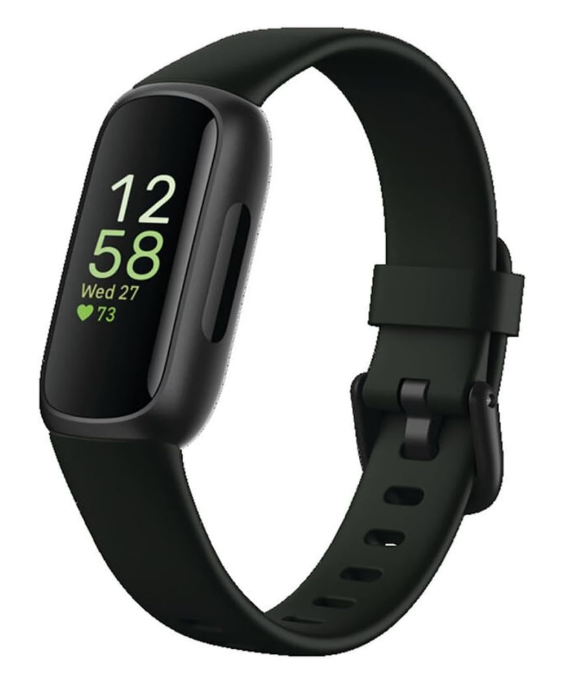
Fitbit Inspire 3 Health & Fitness Tracker with Stress Management, Workout Intensity, Sleep Tracking, 24/7 Heart Rate – 3-Month Google Health Premium
⭐ Amazon Rating: 4.2/5 (24,700+ reviews) Price Range: ~$79–$99
What It Does
The Fitbit Inspire 3 is Google’s most affordable fitness tracker, and it punches well above its weight class. We’re talking a vivid AMOLED color touchscreen, 24/7 heart rate monitoring, SpO2 (blood oxygen) tracking, stress management scoring, sleep tracking with sleep stages, 41+ exercise modes, 10-day battery life, and a free 3-month Google Health Premium membership right in the box.
It’s slim, lightweight, and honestly looks good enough that you won’t feel embarrassed wearing it to work or out to dinner. The case comes in at 1.55″ long and just 0.46″ thick — this thing sits almost flush on your wrist.
What Real Users Are Saying
The consensus from verified Amazon buyers and Reddit communities (r/fitbit, r/loseit) is pretty clear: people love the Inspire 3 for daily wear and beginners especially. The heart rate accuracy gets consistent praise, with multiple users noting it holds up well compared to premium smartwatches during moderate workouts like walking, cycling on a stationary bike, and treadmill runs.

The Inspire 3’s heart rate data is considered accurate when compared with dedicated smartwatches, making it a reliable health indicator for everyday use. That’s meaningful at this price point. Budget trackers often sacrifice accuracy for cost — the Inspire 3 doesn’t do that.
Google’s sleep tracking on this device is considered genuinely competitive — even beating out Garmin and Apple in some cases, particularly for detecting brief nighttime wake-ups and falling back asleep, which many trackers miss entirely.
Where people get frustrated? The Google Health Premium paywall. Advanced features like the full sleep score breakdown, deep stress management insights, and detailed readiness data are locked behind a $9.99/month subscription. You get a taste of the good stuff with the free 3-month trial, but after that it stings a little. The Reddit community especially brings this up repeatedly — and fairly so.
One thing worth highlighting though: once you are inside the Google Health app, the premium tier now includes AI-powered personal coaching built with Google Gemini. That means instead of just staring at charts, you’re getting conversational, personalized insights and actionable suggestions — like having a knowledgeable health coach in your pocket. For the people who do invest in the subscription, that feature alone is a genuine differentiator.
There’s also no built-in GPS. Since the Fitbit Inspire 3 doesn’t have GPS, it’s best for tracking indoor exercises like treadmill runs or stationary bike rides — outdoor route mapping isn’t something it can do on its own.
✅ Pros
- Genuinely accurate heart rate tracking at a budget price
- Outstanding sleep tracking — one of the best in its class
- Slim, stylish, comfortable for all-day wear
- AMOLED color screen looks premium
- 10-day battery life — no daily charging anxiety
- Works with both iPhone and Android
- Stress management score is a genuinely useful daily feature
- Google Health Premium includes AI-powered coaching built with Google Gemini
❌ Cons
- Best features locked behind Google Health Premium ($9.99/month after trial)
- No built-in GPS — outdoor runners will feel this
- Limited data for serious athletes
- No advanced swim tracking or stroke analysis
🎯 Best For
Beginners, health-conscious everyday wearers, people focused on sleep, stress, and general wellness. If you want your first real fitness tracker that won’t overwhelm you with data but will genuinely help you build better habits — and you’re open to the Google Health ecosystem — this is the one.
2. Amazfit Band 7 — The Budget King With a Surprisingly Big Feature Set

Amazfit Band 7 Activity Fitness Tracker for Men Women, 18-Day Battery Life, Alexa Built-in, 1.47”AMOLED Display, 24H Heart Rate & SPO₂ Monitoring, 120
🏆 TOP-RATED CUSTOM HOME FITNESS & DIETARY BLUEPRINT
The Smart Home Workout Planner That Auto-Adjusts To Your Goals
No gym required. Skip the generic routines with an adaptive plan, step-by-step guidance, motivational tips, and structured dietary support built for you.
Build My Custom Home Plan ➔Trusted By Millions Globally • Start Your Risk-Free Trial Today
Amazon Rating: 4.0/5 (9,500+ reviews) Price Range: ~$35–$50
What It Does
For around $35–$50, the Amazfit Band 7 is almost laughably feature-packed. You get a 1.47-inch AMOLED display, Alexa built-in, 120 sports modes, 24/7 heart rate monitoring, SpO2 tracking, sleep tracking, stress monitoring, 5 ATM water resistance (pool-safe), and — here’s the headline stat — 18-day battery life under normal use. Yes, eighteen days.
That’s not a typo.
It also connects to third-party apps like Strava, Apple Health, and Google Fit, and the Zepp app that powers it is actually quite solid for organizing and reviewing your health data over time.
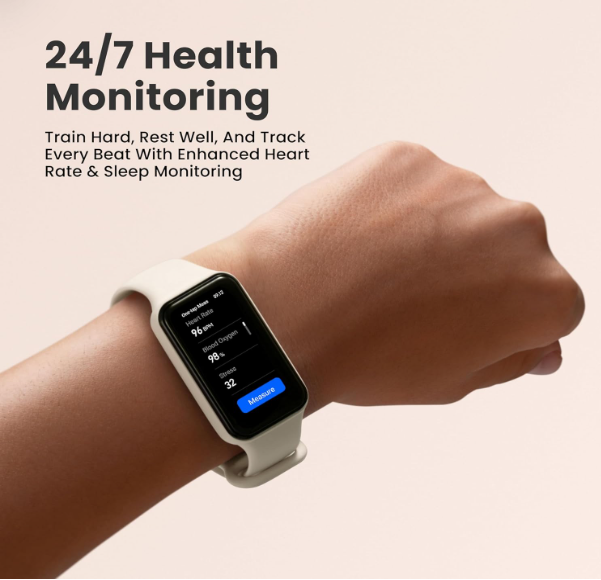
Amazfit Band 7 Activity Fitness Tracker for Men Women, 18-Day Battery Life, Alexa Built-in, 1.47”AMOLED Display, 24H Heart Rate & SPO₂ Monitoring, 120
What Real Users Are Saying
The Amazfit Band 7 is a solid recommendation for budget-conscious users — iPhone and Android users alike. It’s fully compatible with iOS 12.0+ and Android 7.0+, and both platforms get the complete experience: step tracking, heart rate, SpO2, sleep data, stress monitoring, sports modes, and notifications. It’s comfortable to wear, covers a wide range of activities, and does a good job with sleep tracking while presenting basic data in a digestible format.
Battery life is consistently praised across Reddit threads and Amazon reviews. Users regularly report hitting 15+ days between charges during moderate use, which eliminates one of the most common complaints people have about wearables — the daily charging obligation. When your tracker actually has battery, you actually wear it. And when you actually wear it, you actually get data. It sounds simple, but it matters.
That said, there are some real-world tradeoffs worth knowing about. Heart rate and distance accuracy are noted as weaker than competing trackers in the same price range, and some testers found the screen nearly impossible to read in bright outdoor conditions regardless of brightness setting.
The Alexa integration, while present, requires navigating to the Alexa app first rather than activating by voice directly — which reduces the convenience of the voice-assistant feature considerably. Alexa is there, but it’s more of a “cool bonus” than a seamless experience.
✅ Pros
- Unbeatable battery life (18 days standard, up to 28 days in saver mode)
- Massive 120 sports modes for almost any activity
- 5 ATM water resistance — safe for swimming
- AMOLED display looks great indoors
- Alexa built-in (even if the activation requires an extra step)
- Third-party app integration (Strava, Apple Health, Google Fit)
- Fully compatible with both iOS 12.0+ and Android 7.0+
- Shockingly affordable for what you get
❌ Cons
- Heart rate and distance accuracy lags behind premium options
- Screen visibility in bright outdoor light is genuinely poor
- Alexa access requires manual navigation — not true voice activation
- Occasional UI stutters reported
🎯 Best For
Budget-first buyers on any platform — iPhone or Android — people who forget to charge their devices, and anyone dipping their toes into fitness tracking for the first time without wanting to drop $100+.
3. Garmin Venu 3 — The Premium Choice for Serious Fitness Lovers

⭐ Expert Consensus: Top Pick Across Multiple Labs Price Range: ~$349–$399
What It Does
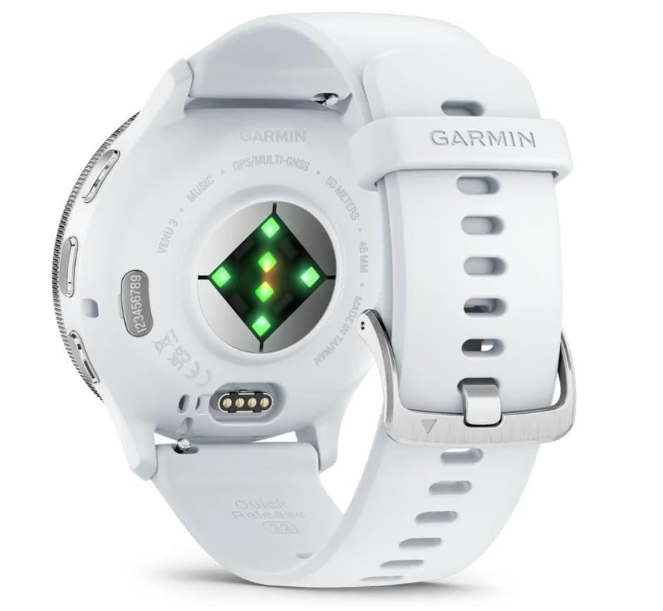
The Garmin Venu 3 is where fitness tracking becomes a lifestyle statement. Built-in GPS, a brilliant AMOLED display, advanced sleep coaching, Body Battery energy monitoring, stress tracking, 25+ sports apps, wheelchair mode, nap detection, and near-flawless heart rate accuracy. It’s also a smartwatch — calendar alerts, custom replies on Android, music storage, and contactless payments are all on board.
Battery life sits around 10–14 days in smartwatch mode, which is exceptional for a device doing this much.
What Real Users Are Saying
The Garmin Venu 3 earned high marks across testing for top-of-the-line fitness and lifestyle metric tracking, with near-perfect heart rate data that closely matched a chest strap monitor even during intense real-time activity.
The sleep coaching tools — particularly the readiness score and Body Battery system — are consistently called out by Reddit’s r/Garmin community as the single most useful feature for people trying to balance training with recovery. You stop guessing whether your body is ready to push hard or needs rest. The watch tells you, and it’s usually right.
Garmin’s Venu line delivers training tools, Body Battery, Recovery Time, and Health Status metrics that provide genuinely useful daily insight rather than just surface-level stats — a clear differentiator from fashion-first smartwatches.
The main knock? The price. At $349–$399, it’s a significant investment. And serious runners who want advanced metrics like running power, VO2 Max cycling integration, or full triathlon protocols will want to step up to the Garmin Forerunner line instead.
✅ Pros
- Exceptional heart rate and GPS accuracy
- Body Battery and recovery coaching are genuinely game-changing
- Beautiful AMOLED display that works in sunlight
- 10–14 day battery life for a GPS smartwatch is remarkable
- Advanced sleep stages and coaching
- Smartwatch features: payments, music, calendar, alerts
- Works for athletes AND casual everyday wearers
❌ Cons
- Premium price tag (~$350–$400)
- Not ideal for dedicated endurance athletes who need advanced triathlon/running metrics
- Rep counting in strength training can miss reps occasionally
🎯 Best For
Active people who want the complete package — great health tracking, GPS accuracy, smart features, and coaching — and are willing to invest in a device that genuinely earns its keep every single day.
4. Xiaomi Mi Smart Band 10 — The Underdog That Overdelivers

XIAOMI Mi Smart Band 10 (2025) Global Version – 1.72 AMOLED Display 21 Days Battery Life Touchscreen, Multi-Sport Tracker, Activity Tracker, Heart
⭐ Widely Praised as #1 Budget Tracker of 2025 Price Range: ~$35–$55
What It Does
The Xiaomi Mi Smart Band 10 is the 2025 global version and it’s causing a stir — for good reason. A larger, brighter, faster 1.72-inch AMOLED display, 21-day battery life, comprehensive step tracking, 24/7 heart rate monitoring, SpO2, sleep tracking, a PAI-like Vitality Score to gamify your weekly activity, and an almost overwhelming library of sports modes. It’s also BT 5.4 — faster, more stable Bluetooth connectivity than its predecessor.
What Real Users Are Saying
The Xiaomi Smart Band 10 reigns as the undisputed king of budget trackers, offering an almost impossible-to-beat combination of a premium-feeling AMOLED display, reliable core tracking metrics, and 21-day battery life — delivering roughly 90% of premium features for around 30% of the price.
The Vitality Score (PAI-based) is an underrated feature that fitness communities on Reddit genuinely love because it boils down your weekly activity into one single motivating number. Instead of obsessing over ten different metrics, you chase one score. It’s behavioral psychology done right for fitness.
Where it falls slightly short: the data presentation in the Mi Fitness app isn’t as polished or refined as the Google Health app, and the app can feel a bit busy to navigate. It’s functional but not elegant. For some people that matters. For others, it doesn’t — they just want accurate data, and on that front, the Band 10 delivers.

✅ Pros
- 21-day battery life — charge it roughly twice a month
- Large, bright AMOLED screen that genuinely impresses at the price
- Excellent basic tracking accuracy
- Vitality Score is a brilliant motivational tool
- Comfortable, slim form factor
- Strong value — hard to beat at ~$40–$55
❌ Cons
- Mi Fitness app can feel cluttered and less polished than competitors
- Limited smartwatch features compared to higher-end options
- No built-in GPS
- Third-party app ecosystem not as deep as Google Health or Garmin
🎯 Best For
Anyone who wants maximum bang for their buck, people who are allergic to daily charging, and first-time tracker users who want clean, simple data to help them move more every day.
Smart Fitness Tracker Buying Guide: How to Pick the One That’s Actually Right for YOU
Let me be straight with you. The “best” smart fitness tracker doesn’t exist in a vacuum — it exists for your specific situation. Here’s how to figure out which one belongs on your wrist:
Step 1: Know Why You Want One
Are you trying to lose weight? Sleep better? Train harder? Manage stress? Recover smarter? Each of those goals points to different features. Don’t buy a GPS running watch if you spend most of your time at the gym. And don’t buy a basic band if route mapping is important to your outdoor training.
Step 2: Set Your Real Budget — Then Stick to It
Premium fitness trackers now offer sensors, AI coaching, and battery life that were unthinkable five years ago — but the price scales quickly once you add GPS, medical-grade sensors, or full smartwatch capabilities. Decide upfront: budget ($35–$60), mid-range ($90–$150), or premium ($250–$400+). All three tiers have excellent options in 2025.
Step 3: Battery Life Matters More Than You Think
This is underrated in most buying guides. The tracker with the 18+ day battery gets worn consistently. The one that needs charging every two days eventually stops getting worn. Consistency of wear equals quality of data. Don’t sleep on battery life.
Step 4: Check Your Phone Ecosystem
While most modern fitness trackers work well across both iPhone and Android, the depth of third-party integrations and app features can differ. Always verify what syncs with what before buying — especially if you rely on platforms like Apple Health, Google Fit, or Strava as your fitness data hub.
Step 5: Watch Out for Subscription Creep
Certain trackers lock their most valuable features — sleep scores, stress breakdowns, readiness coaching, and AI-powered insights — behind monthly subscriptions that can run $10/month or more after a trial period ends. Factor that into the true cost of ownership. A $99 tracker with a mandatory $120/year subscription is a $219 first-year investment. That’s not necessarily bad value — especially when you’re getting something like Google Health Premium’s AI coaching powered by Google Gemini — but go in with your eyes open.
Step 6: Think About Form Factor
Do you want a slim band or a full watch face? A band like the Inspire 3 or Band 7 is discreet and comfortable all day. A watch like the Garmin Venu gives you more screen real estate and smartwatch features. Neither is wrong — it just depends on what you’ll actually keep wearing after the novelty wears off.

Final Verdict: The Honest Wrap-Up From a Real Fitness Guy
Here’s the bottom line, and I want you to really hear this because it matters:
The best smart fitness tracker is the one you actually keep wearing.
That’s it. Not the one with the most features. Not the one your favorite YouTuber has. The one that fits your life, your budget, and your goals so naturally that putting it on becomes as automatic as brushing your teeth.
If you’re on a tight budget and want to start somewhere real — grab the Amazfit Band 7 or the Xiaomi Mi Smart Band 10. Both are exceptional for the price, work great on both iPhone and Android, and the battery life alone removes the biggest excuse people use for not wearing their tracker consistently.
If you want the sweet spot of accuracy, sleep tracking, and daily wellness insights without overpaying — the Fitbit Inspire 3 is where I’d put my money. Just go in with eyes open about the Google Health Premium subscription, and know that the AI coaching built with Google Gemini makes that investment a whole lot more compelling than a basic stats dashboard ever was.
And if you’re ready to treat your health like the serious investment it actually is, the Garmin Venu 3 is a device that will legitimately change how you train, recover, and live. It’s premium for a reason.
Whatever you choose — the act of tracking is the act of paying attention. And when you start paying attention to your body, everything else gets better.
Did This Help You? Share It!
Here’s a real reason to pass this article along to a friend: most people buying a fitness tracker in 2025 are making their decision based on ads and influencer posts — not real-world feedback. If this review saved you from a bad purchase or helped you find the right one, help someone else avoid the same frustration. Send it to your gym buddy, drop it in your family group chat, or share it on social. You might be the reason someone actually sticks to their fitness goals this year. That’s a pretty good reason to hit share.
Grid

Furious Formulations Reviews: find out the secrets now
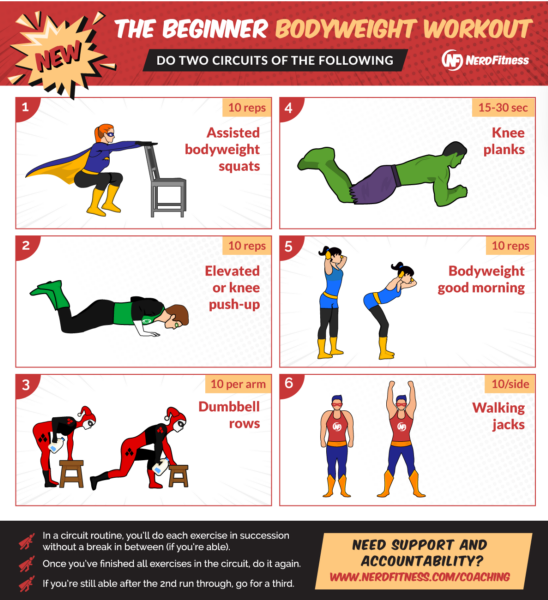
Effective Home Workout Routines: secrets routines fast
Best Home Gym Equipment Website: 4 secret Picks (2026)
Best Home Workout System Reviews: 4 tested that Work
exercise equipment reviews: 4 secrets

Furious Pete Eating: Guinness World record champion secrets
Last Updated: June 2026 | Based on verified Amazon buyer reviews, Reddit community feedback (r/fitbit, r/Garmin, r/loseit, r/fitness), and expert lab testing consensus from leading tech review outlets.
Leave a Reply