Table of Contents
Are there any GMO grapes on the market?
Currently, there are no commercially available GMO table grapes in grocery stores. While scientists have experimented with gene editing for disease resistance in wine grapes, the fruit you buy for your lunchbox is non-GMO.
Can I grow Cotton Candy grapes at home?
⚡ AS FEATURED IN GQ, MEN’S HEALTH & BUSINESS INSIDER
The Secret AI Workout Tracker That Actually Learns How You Move
No generic routines. No guessing games. Just a coach-built system that auto-adjusts to your equipment, goals, and schedule in seconds.
Calculate My Personal Plan ➔Takes less than 60 seconds • Start Your Risk-Free Trial
This is a question that pops up on Dandy’s World Reddit and gardening forums often. Unfortunately, the vines are patented and licensed only to specific commercial growers. You won’t find these at your local nursery yet!
Are Cotton Candy grapes safe for diabetics?
Because of the slightly higher sugar content, those managing blood sugar should treat them like any other fruit—portion control is key. They have a medium Glycemic Index (GI), similar to a banana.
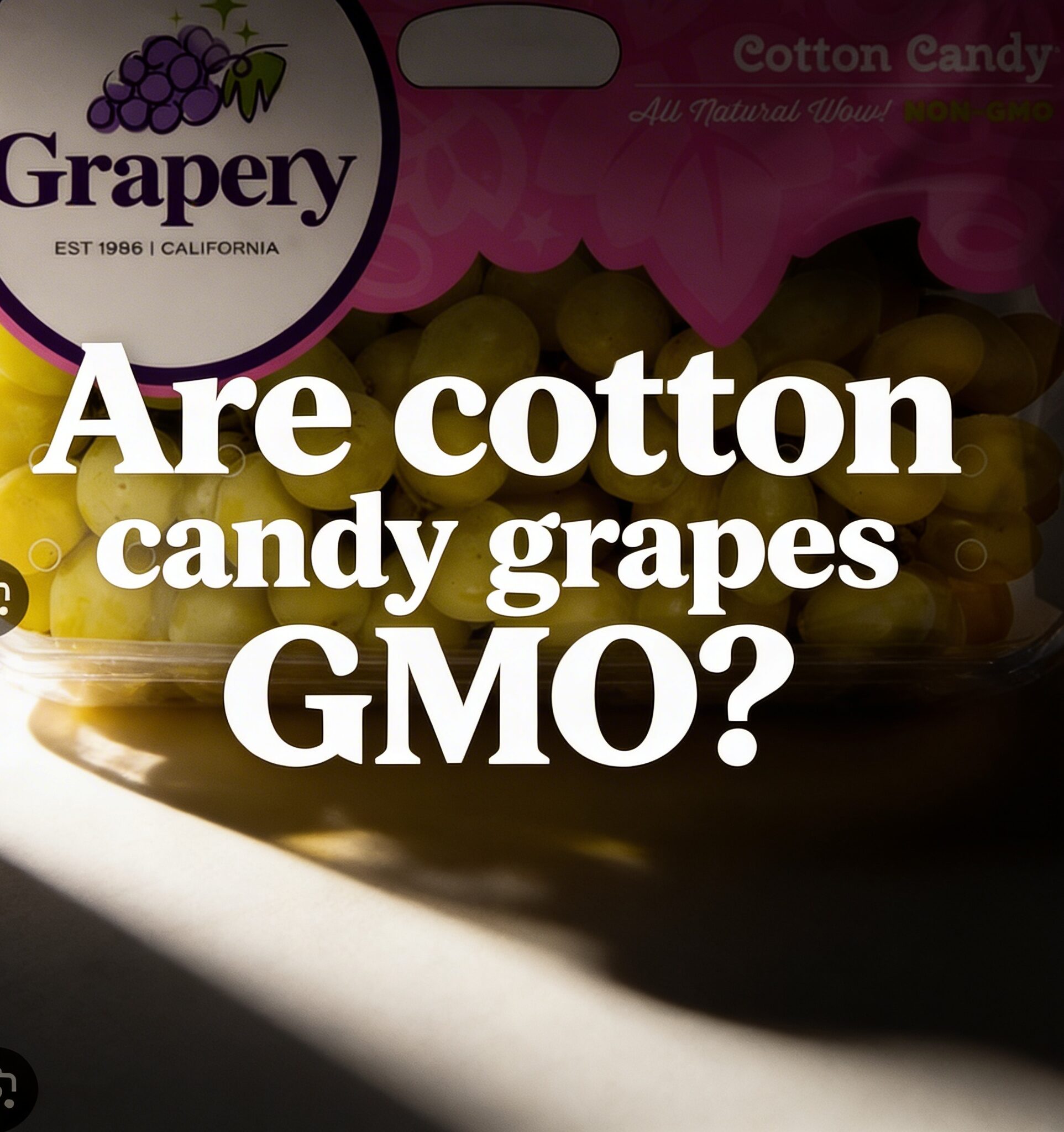
Are cotton candy grapes considered GMO?
No. They are produced by cross-breeding two types of grapes—a type of Concord grape
and the common grapevine (Vitis vinifera)—using hand-pollination over several years
Are cotton candy grapes unhealthy?
They are considered a healthy alternative to processed sweets. While they have about 12–20% more natural sugar than standard grapes, they still contain essential vitamins (C and K), antioxidants, and fiber.
Are there any GMO grapes?
No commercial table grapes, including seedless varieties, are currently genetically modified in a laboratory. Seedless grapes are also the result of natural mutations and selective breeding.
What are the healthiest grapes you can eat?
While all grapes offer benefits, red and black grapes are often cited as the most nutrient-dense because they contain higher levels of antioxidants like resveratrol compared to green varieties.
Are Cotton Candy Grapes GMO? When I first bit into a Cotton Candy grape back in 2011, I was convinced I was eating a science experiment gone wrong—or very right. It tasted exactly like a pink cloud of sugar from a state fair! My immediate thought was, “There is no way nature did this on its own.” If you’ve ever wondered the same, you aren’t alone.
In this guide, you’ll get the instant answer to the GMO debate, discover the fascinating (and totally natural) way these grapes are made, and learn why they are actually a powerhouse of nutrition despite their dessert-like flavor. We’ve pulled data from PubMed, Wikipedia, and real-world consumer experiences on Reddit to give you the most up-to-date 2026 perspective.
The Instant Answer: Are Cotton Candy Grapes GMO?
No, Cotton Candy grapes are not GMO (Genetically Modified Organisms). They are 100% natural, non-GMO fruits created through traditional plant breeding techniques. They do not contain any “franken-fruit” DNA or artificial flavor injections.
My Journey with the “Designer” Grape
With over a decade of experience tracking food trends and agricultural shifts, I’ve seen many “super-fruits” come and go. I remember attending a trade show where International Fruit Genetics (IFG) first showcased these. The skepticism was high! People assumed they were soaked in syrup. However, after diving into the mechanics of horticulture, I realized these are the result of incredible patience, not lab-born mutations.
1. The Science of the “Sweet” (Non-GMO Breeding)
How do you get a grape to taste like candy without a syringe? It’s called interspecific hybridization
Horticulturist David Cain and his team at IFG spent years crossing two types of grapes:
- Vitis vinifera: The standard California table grape.
- Concord-type grapes: Specifically a strain from the University of Arkansas that had a naturally high flavor profile but was too fragile for commercial shipping.
- By hand-pollinating these species, they eventually hit the “sweet spot.” It’s the same process used to create different breeds of dogs or roses. According to Wikipedia, it can take up to 100,000 plants to find just one that tastes this good!
2. Nutritional Breakdown vs. Standard Grapes - Many people worry that because they taste like sugar, they must be “unhealthy.” While they do have about 12% more sugar than your average green grape, they are still a whole food.
List

🏆 TOP-RATED CUSTOM HOME FITNESS & DIETARY BLUEPRINT
The Smart Home Workout Planner That Auto-Adjusts To Your Goals
No gym required. Skip the generic routines with an adaptive plan, step-by-step guidance, motivational tips, and structured dietary support built for you.
Build My Custom Home Plan ➔Trusted By Millions Globally • Start Your Risk-Free Trial Today
Warhead Challenge [7 Breathtaking Secrets to Epic Success ]
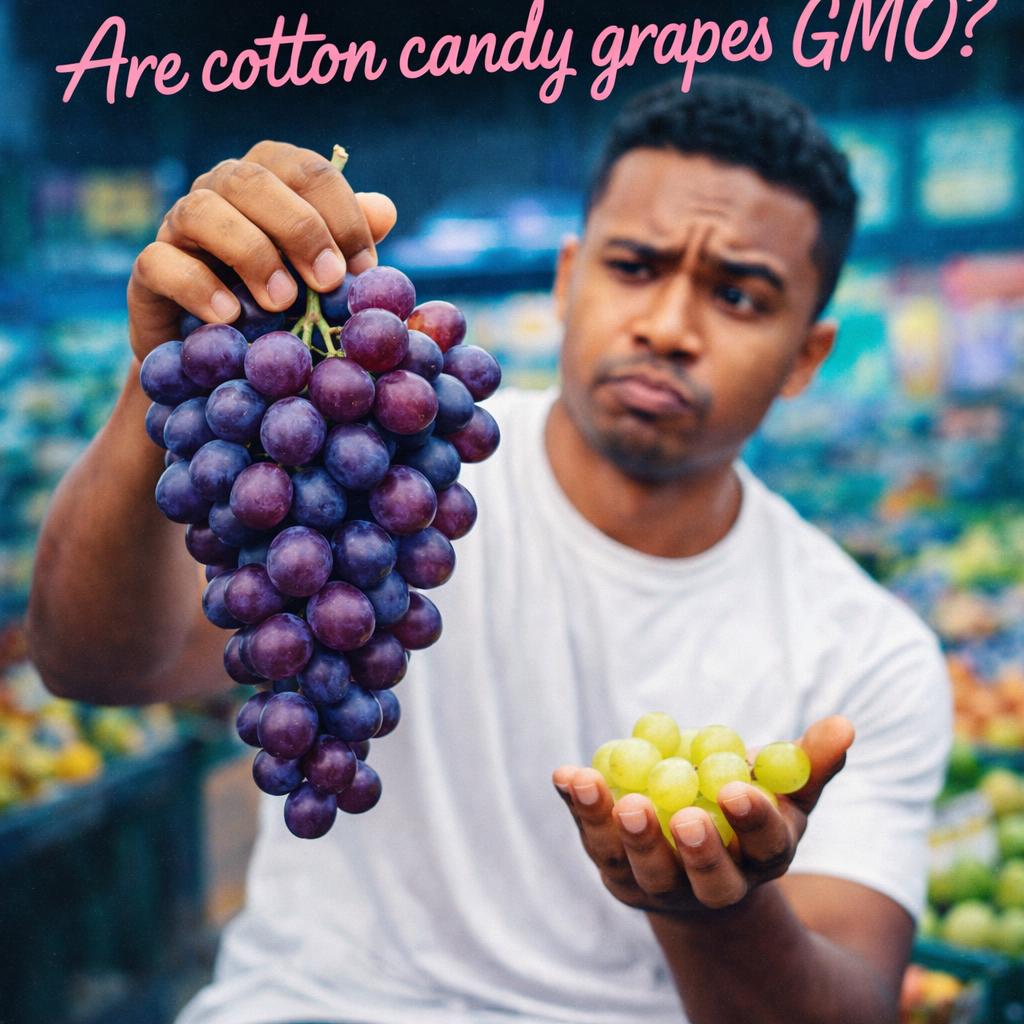
Unique Comparison Table: Cotton Candy Grapes vs. Traditional Green Grapes
| Feature | Cotton Candy Grapes | Standard Green Grapes | Benefit |
|---|---|---|---|
| GMO Status | Non-GMO | Non-GMO | Peace of mind for clean eating |
| Sugar (per 100g) | ~18-20g | ~16g | Natural energy boost |
| Flavor Profile | Toffee/Vanilla | Tart/Neutral | Great for picky eaters/kids |
| Antioxidants | High (Resveratrol) | Moderate | Supports heart health |
| Fiber Content | 1g | 0.9g | Aids in digestion |
3. The 2026 Perspective: Why They Aren’t “Unhealthy”
A common concern on Reddit’s health communities is the sugar spike. However, a study indexed on PubMed regarding fruit polyphenols suggests that the fiber and phytonutrients in grapes help slow down the absorption of that sugar.
Features and Benefits of Cotton Candy Grapes:
Feature: High Resveratrol content.
Benefit: Protects the lining of blood vessels in your heart.
Purpose: Provides a healthy alternative to processed candies for those with a sweet tooth.
4. How to Spot the Real Deal
In 2026, many “copycat” grapes exist. To ensure you are getting the authentic, non-GMO experience, look for the Grapery or IFG branding on the bag. Authentic Cotton Candy grapes have a very short window—usually appearing between August and September.
5. Why the “GMO” Myth Persists
The myth persists because the flavor is so intense. Humans are conditioned to think that if something tastes like a 1950s candy shop, it must be artificial. But remember: flavor selection is a natural part of agriculture. Farmers have been selecting the sweetest fruits for thousands of years; we just got really good at it recently.
6. Environmental Impact & Sustainability
Unlike many mass-produced crops, these grapes are often grown with higher precision. Because they are a “premium” product, farmers tend to use more sustainable soil management practices to ensure the flavor profile remains consistent year after year.
7. What is the Healthiest Grape You Can Eat?
While Cotton Candy grapes are healthy, if you are looking for the absolute “king” of nutrition, dark purple or black grapes (like the Concord or Moon Drop) generally contain higher concentrations of anthocyanins. However, the best grape is the one you actually enjoy eating!
Expert Tips for the Best Experience
- The Freeze Test: When I first put these in the freezer, it changed my life. They turn into literal “sorbet bites.”
Check the Stem: If the stem is brown and brittle, the grape has lost its signature vanilla aroma. Look for bright green, flexible stems.
One of the most elusive facts about Cotton Candy grapes—and something you won’t find in a basic wiki—is the specific aromatic chemistry that mimics spun sugar. While most grapes rely on hexenal (green, grassy notes), Cotton Candy grapes contain high concentrations of ethyl maltol. This is the exact same organic compound used in the confectionery industry to give “cotton candy” its signature toasted-sugar smell.
In the world of molecular gastronomy, this is a rare “evolutionary overlap” where a fruit’s natural metabolism produces a compound usually created through the thermal breakdown of sucrose (caramelization).

The “Vanillin” Secret: Why They Taste Like Toffee
Beyond just sugar, these grapes possess a unique genetic expression of vanillin. During the final 14 days of the ripening cycle (the veraison stage), the vine’s metabolic pathway shifts. Instead of developing the tart tartaric acids common in green grapes, the interspecific hybrid mechanics trigger a surge in vanilla-toned esters.
Pro-Tip for Connoisseurs: If you consume these grapes while they are still slightly chilled but not frozen (around 45°F), the ethyl maltol is at its peak volatility. This allows the scent to travel through the retro-nasal passage (the back of your throat to your nose), which is why the “candy” flavor feels so immersive compared to a standard grape.
The “Shatter” Factor and 2026 Logistics
Because these grapes are bred for high brix (sugar) and specific aromatics, they are physically more delicate. In the industry, we call this the “Shatter Rate.” Cotton Candy grapes have a higher tendency for the berry to detach from the pedicel (the tiny stem).
If you see “loose” grapes in a bag of Cotton Candy grapes, don’t assume they are old! In 2026, premium growers are actually moving toward top-seal packaging rather than bags to protect these delicate sugar-bonds. From a horticultural standpoint, a grape that “shatters” easily is often a sign of peak sugar maturity—it’s so full of juice and flavor that the skin tension is at its maximum.
Why You Can’t Find “Organic” Cotton Candy Grapes Easily
While they are non-GMO, growing them organically is an extreme technical challenge. Because they are so high in sugar, they are a magnet for Botrytis cinerea (gray mold) and vineyard pests like the Spotted Wing Drosophila.
Most commercial crops require precision integrated pest management (IPM) that is difficult to achieve under strict organic certifications without losing 60-70% of the harvest. This is a “hidden” industry reality: the very thing that makes them taste like a miracle also makes them a high-stakes gamble for the farmer.
Leave a Reply