Effective Home Workout Routines: What Actually Works
Table of Contents
Here’s the answer, straight up, no fluff: the most effective home workout routine is short daily bodyweight strength work (squats, push-ups, lunges, planks), a few sessions of walking or light cardio each week, and enough consistency that you don’t need to feel motivated to do it. That’s it. No machines required. No hour-long sessions. Just a repeatable pattern you can do on your living room floor.
⚡ AS FEATURED IN GQ, MEN’S HEALTH & BUSINESS INSIDER
The Secret AI Workout Tracker That Actually Learns How You Move
No generic routines. No guessing games. Just a coach-built system that auto-adjusts to your equipment, goals, and schedule in seconds.
Calculate My Personal Plan ➔Takes less than 60 seconds • Start Your Risk-Free Trial
If you’re reading this, you probably already know the theory. You’ve read the articles. You know push-ups are good for you. What you actually need is a routine simple enough that you’ll still be doing it in March, not just the first week of January. So let’s build that.
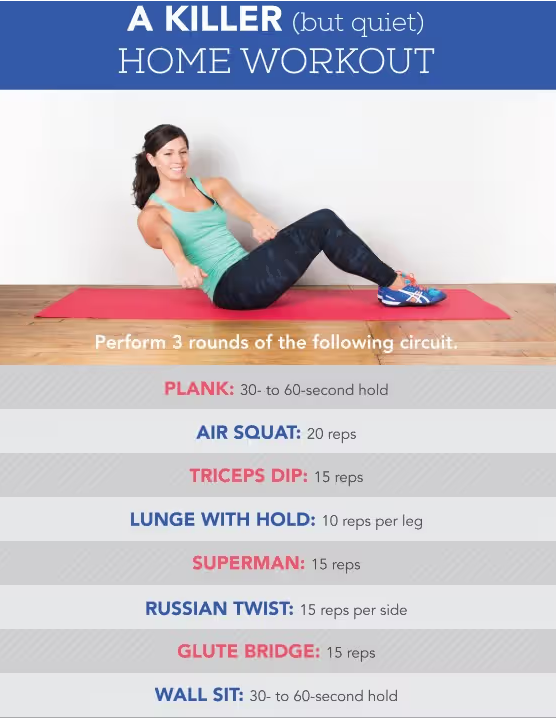
Best Home Workout Routines For Beginners
If you’re just getting started, don’t overthink this. Your first few weeks are about building the habit, not maxing out your muscles.
Start with three sessions a week, full body, 20 to 25 minutes each:
- 5-minute warm-up (arm circles, high knees, torso twists)
- Squats — 3 sets of 10-12
- Push-ups (on knees if needed) — 3 sets of 8-10
- Glute bridges — 3 sets of 12
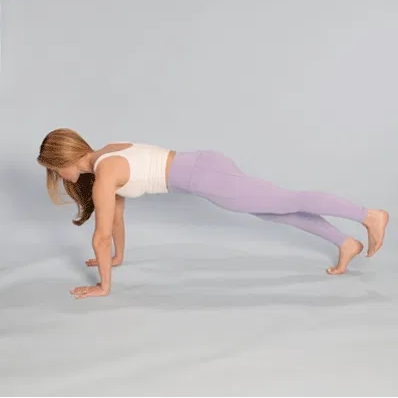
- Plank — 3 sets, hold as long as you can with good form
- 5-minute cool-down stretch
Keep your chest up and push through your heels on squats. Keep a straight line from head to knees on your push-ups and planks — that’s where most beginners lose form and stop feeling it in the right places. Rest a day between sessions so your body actually adapts instead of just getting beat up.
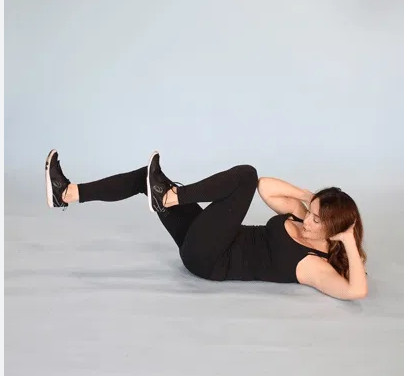
Best At Home Weight Loss Workouts
🏆 TOP-RATED CUSTOM HOME FITNESS & DIETARY BLUEPRINT
The Smart Home Workout Planner That Auto-Adjusts To Your Goals
No gym required. Skip the generic routines with an adaptive plan, step-by-step guidance, motivational tips, and structured dietary support built for you.
Build My Custom Home Plan ➔Trusted By Millions Globally • Start Your Risk-Free Trial Today
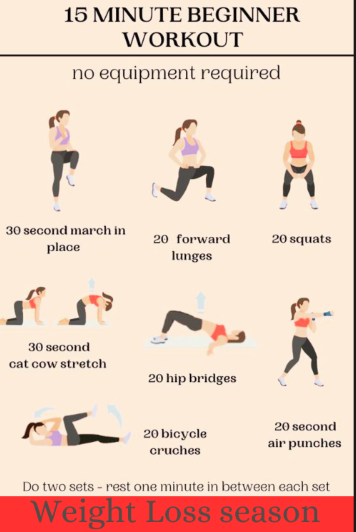
If fat loss is the goal, the equation doesn’t change much, it just gets a partner. You need short daily bodyweight strength circuits, regular low-intensity cardio like brisk walking, and a modest calorie deficit through food. That combination is what does the actual work — not any single “fat-burning” exercise, because that’s not really how fat loss works.
A realistic weekly split looks like this: two to three strength sessions using the beginner routine above, two to three days of brisk walking or light cardio, and at least one full rest day. Most people notice their clothes fitting differently within two to four weeks, and visible changes on the scale within four to eight weeks, as long as they’re staying consistent with both the workouts and the food side of things. Nobody outworks a bad diet, and no home workout routine is going to change that fact.
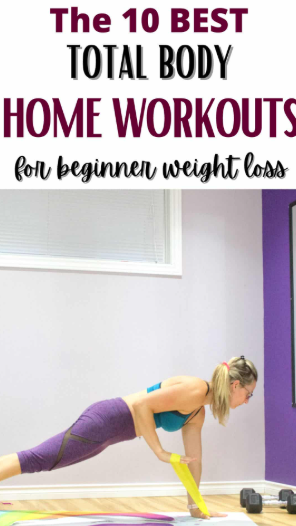
Fitness Workout Routines At Home
Once the beginner phase clicks and your body’s adapted, it’s worth structuring your week a bit more deliberately instead of just repeating the same full-body circuit forever. A simple four to five day split works well for most people:
- Day 1: Lower body strength (squats, lunges, glute bridges)
- Day 2: Upper body strength (push-ups, pike push-ups, standing rows with a resistance band)
- Day 3: Rest or light walk
- Day 4: Full body circuit or HIIT
- Day 5: Cardio (walk, jog, jump rope)
- Weekend: One rest day, one optional light movement day
This isn’t the only way to structure a week, but it hits every major muscle group, mixes in cardio, and builds in actual recovery — which is the piece most home workout routines skip and then wonder why progress stalls.
Effective Home Workout Routines PDF: A Printable Weekly Plan

You don’t need a downloadable PDF to get organized — just copy this straight into your notes app or print this section. Here’s a simple weekly layout combining everything above:
Monday: Full body strength (squats, push-ups, glute bridges, plank) — 25 min Tuesday: Brisk walk or light cardio — 20-30 min Wednesday: Upper body focus (push-ups, pike push-ups, rows) — 20 min Thursday: Rest Friday: Lower body focus (squats, lunges, glute bridges) — 20 min Saturday: HIIT or full body circuit — 20 min Sunday: Rest or gentle stretching
That’s a full week of effective home workout routines with zero equipment required and nothing that takes more than half an hour.
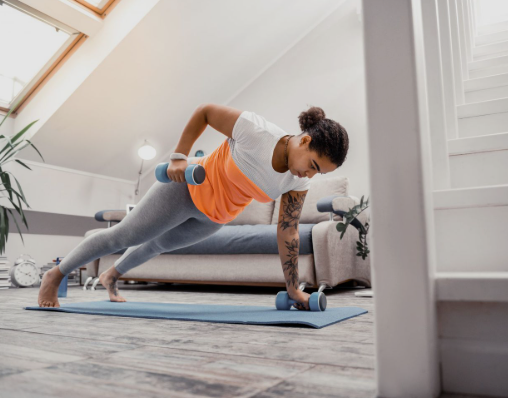
How To Stay Motivated To Exercise
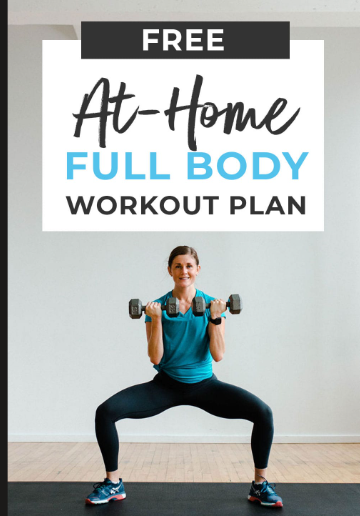
Motivation is unreliable by design — it shows up when it wants to and disappears right when you need it most. Most people hit a real motivation dip around week three, once the initial excitement of starting something new wears off and results aren’t visible yet. Research on habit formation suggests it takes somewhere around six to eight weeks for a new routine to start feeling automatic rather than forced.
What actually works better than waiting for motivation is building a system that doesn’t depend on it: pick a fixed time of day, lay your workout clothes out the night before, and track your streak somewhere visible. Fitness experts also point out that variety and consistency matter more than duration or intensity — trying something you’ll actually enjoy, whether that’s a themed walking routine or partner-based moves, keeps you coming back in a way that grinding through a workout you dread never will.
Fitness Apps Encouraging Daily Exercise
If you want backup keeping you consistent, a few apps genuinely help rather than just adding clutter to your phone. For structured strength tracking at home, Hevy is a clean option built for logging sets and reps without a lot of extra noise. If walking is your entry point back into movement, apps built around daily step goals and route tracking make it easy to build the habit before adding anything more intense. For people who like data and streaks pulling them back in, wearable-based activity tracking (closing your daily movement rings, tracking weekly minutes) has been linked in ongoing research to better patterns in cardio fitness and sleep over time. And if gamification is what keeps you engaged, apps built around streaks, challenges, and progression loops have been shown in published research to meaningfully increase how often people actually stick with their workouts compared to a plain workout list.
None of these are required. A notebook and a bit of stubbornness works too. But if you know you need external structure to stay consistent, these are the categories worth exploring rather than downloading five random apps and using none of them.

Effective Home Workout Routines UK
The core routine doesn’t change if you’re in the UK versus anywhere else — squats are squats regardless of postcode. What does change is the practical case for it. With shorter daylight hours for a good chunk of the year and weather that doesn’t always cooperate with outdoor training, having a reliable indoor routine you can do without leaving the house matters more, not less. It also sidesteps the commute to a gym and the membership cost, which makes a simple bodyweight-based routine an easy way to stay consistent through the months when getting out the door is the hardest part.
Effective Home Workout Routines: FAQ
What is the 3-3-3 rule for workouts?
It’s a simple structure: three workouts a week, three main exercises per session, three sets of each. The whole point is cutting out complicated programming so you can actually stick with it, which makes it a solid option if you’re building a home routine from scratch.
What is the most effective workout at home?
A combination of short daily bodyweight strength work — squats, push-ups, lunges, planks — paired with regular walking or light cardio and consistency over time. No single exercise or piece of equipment beats just showing up regularly with a simple, repeatable plan.
What is the best schedule for workout at home?
For most people, four to five days a week works best: two to three strength sessions, two to three days of cardio or walking, and at least one full rest day. Beginners should start with three full-body sessions a week and build up from there once the habit is solid.
What are the 12 exercises to do every day?
A popular version, built around a 30-second-per-move format, includes push-ups, prone cobra, burpees, pike push-ups, squats, lunges, lying leg raises, running in place, kicks, punches, jumps, and planks. You don’t need to do all 12 at full intensity daily — the point is consistency and building strength across every major movement pattern, adjusting effort based on how you’re feeling that day.
Final Thoughts on Effective Home Workout Routines
The best home workout routine isn’t the one with the fanciest moves or the most intense HIIT format you found on social media. It’s the one you’ll actually do again next week, and the week after that. Start with the beginner plan, build in a couple of cardio days, give yourself real rest, and let consistency do the heavy lifting. That’s the whole system, and it works.
If this helped you put a plan together, share it with a friend who keeps saying they’ll “start Monday” — it might be exactly what gets them going.
Grid
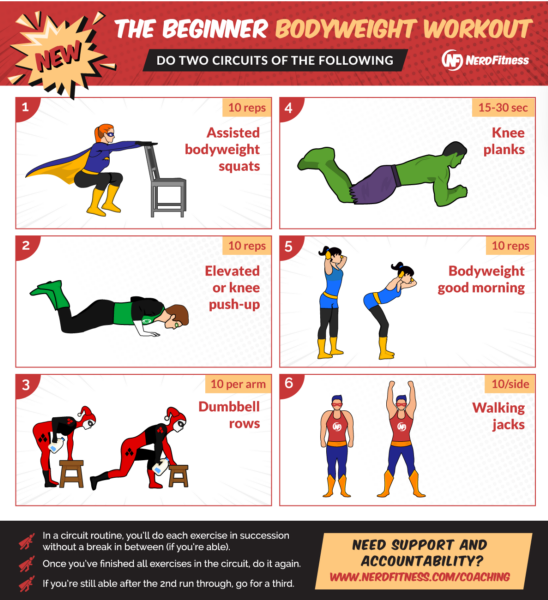
Effective Home Workout Routines: secrets routines fast
Best Home Gym Equipment Website: 4 secret Picks (2026)
Best Home Workout System Reviews: 4 tested that Work
exercise equipment reviews: 4 secrets

Furious Pete Eating: Guinness World record champion secrets
Leave a Reply