You Don’t Need A Garage Full Of Junk To Get Strong At Home
Let’s be real for a second. You’ve probably already wasted money once. Maybe it was a resistance band set that snapped in week two, or some “as seen on TV” gadget that’s now holding up a plant in the corner of your bedroom. That’s exactly why you’re here, searching for best home workout system reviews instead of just clicking “buy” on the first shiny thing Amazon shows you.
Good instinct. A real home workout system — the kind that replaces an actual gym membership — is not a cheap decision. Some of these machines cost more than a used car. So before you spend that kind of money, you deserve straight answers: what actually works, what real owners complain about after the honeymoon phase wears off, and what fits your space, your goals, and your wallet.
⚡ AS FEATURED IN GQ, MEN’S HEALTH & BUSINESS INSIDER
The Secret AI Workout Tracker That Actually Learns How You Move
No generic routines. No guessing games. Just a coach-built system that auto-adjusts to your equipment, goals, and schedule in seconds.
Calculate My Personal Plan ➔Takes less than 60 seconds • Start Your Risk-Free Trial
I dug through hands-on lab tests, owner forums, and long-term reviews (not just marketing pages) to build this guide. No fluff. No fake hype. Just what real people say after living with these machines for months, not just unboxing them for a photo.
Here’s the deal: I’m going to walk you through four of the most talked-about home workout systems on the market right now, then show you the totally free route if your budget is closer to zero than four grand. By the end, you’ll know exactly which direction to go.
Table of Contents
Best Home Workout Equipment
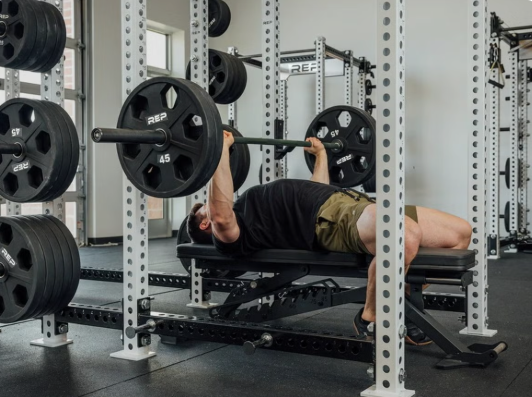
This is the roundup. Four systems, four different price points, four different types of people they’re built for. I picked machines with a real track record — years of owner reviews, forum threads, and independent lab testing behind them, not just a slick landing page.
Quick affiliate disclaimer: Some links in this article may be affiliate links, meaning I could earn a small commission if you buy through them, at no extra cost to you. This never affects which products I recommend or how I rate them.
1. Bowflex Xtreme 2 SE — Best All-Around Value Home Gym
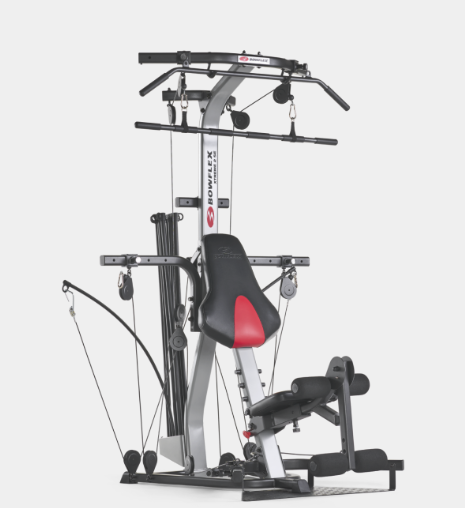
Features The Xtreme 2 SE is Bowflex’s signature power-rod machine. Instead of a stack of iron plates, it uses flexible rods that create resistance, starting at 210 lbs and upgradeable to 410 lbs with add-on rods. It handles over 70 different exercises — lat pulldowns, leg extensions, squats, presses, you name it — through a cable and pulley system. The footprint is roughly 53″ x 49″, though you’ll want close to 7 feet of ceiling height for full range of motion. It comes with a 7-year frame warranty and a lifetime warranty on the power rods themselves.
Real User Consensus Owners consistently say the same thing: it’s quiet, it’s compact for what it offers, and it’s genuinely beginner-friendly because you can’t drop a weight on your foot. The most common long-term complaint is that the power rods can lose some snap over time if you don’t store them properly after each session, and a few reviewers noted some of the connector hardware feels less durable than the frame itself. The seat also draws minor complaints for lacking angle adjustment.
Pros and Cons
- Pro: Compact footprint for a full-body machine
- Pro: Strong warranty coverage, especially on the rods
- Pro: Very safe for solo training, no spotter needed
- Con: Base resistance (210 lbs) will feel light to intermediate and advanced lifters fast
- Con: Changing power rod tension takes longer than swapping a weight stack pin
Best For Beginners, people coming back from injury, and anyone who wants one machine to replace a whole home gym without eating up a garage’s worth of space.
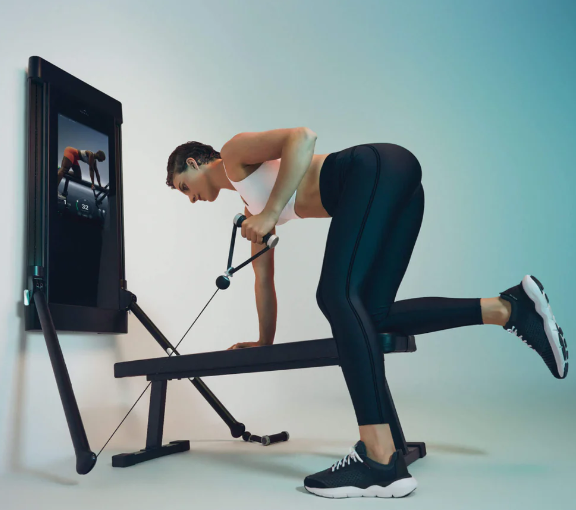
2. Tonal 2 — Best Smart Wall-Mounted System
🏆 TOP-RATED CUSTOM HOME FITNESS & DIETARY BLUEPRINT
The Smart Home Workout Planner That Auto-Adjusts To Your Goals
No gym required. Skip the generic routines with an adaptive plan, step-by-step guidance, motivational tips, and structured dietary support built for you.
Build My Custom Home Plan ➔Trusted By Millions Globally • Start Your Risk-Free Trial Today
Features Tonal is a wall-mounted digital weight system with two robotic arms that generate resistance electronically, up to 250 lbs, instead of using physical plates. It includes a built-in camera for form feedback through the brand’s coaching software, and it requires professional installation into wall studs.
Real User Consensus A long-term Tonal owner who wrote a detailed non-sponsored review said it mostly works great and he loves it, but flagged a few real annoyances: the wall installation locks you into one spot, some lower-body moves are just squat variations, and cables can rub against your arms during certain presses. He also noted that out-of-warranty repairs, based on owner reports, run a few hundred dollars minimum. The strength-tracking score inside the app also gets mixed reviews — some users feel it doesn’t reflect their actual progress unless they repeat the exact same workouts often.
Pros and Cons
- Pro: Extremely space-efficient since it mounts flat to a wall
- Pro: Real-time form coaching through the camera
- Pro: 250 lbs of resistance covers most lifters’ needs
- Con: Requires a monthly subscription to unlock full features, on top of a roughly $4,295 price tag
- Con: Permanent wall installation means you can’t easily move it later
- Con: Repairs outside warranty are not cheap
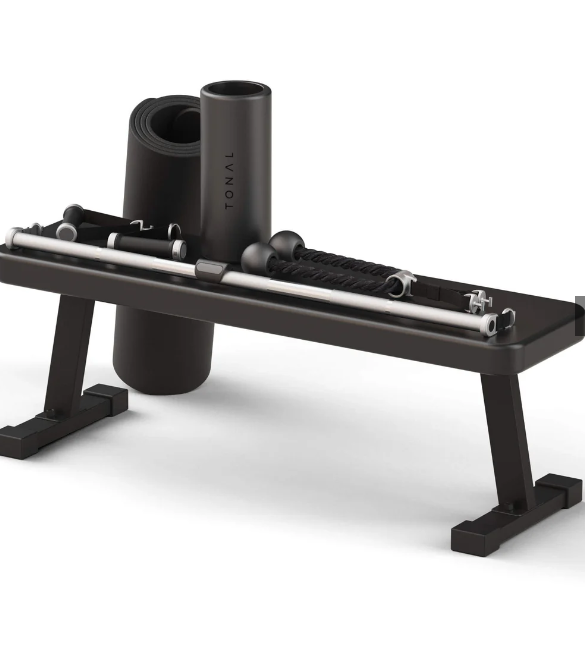
Best For People with limited floor space who want a premium, tech-forward experience and don’t mind paying an ongoing subscription for it.
3. Speediance Gym Monster 2 — Best No-Subscription Smart Gym
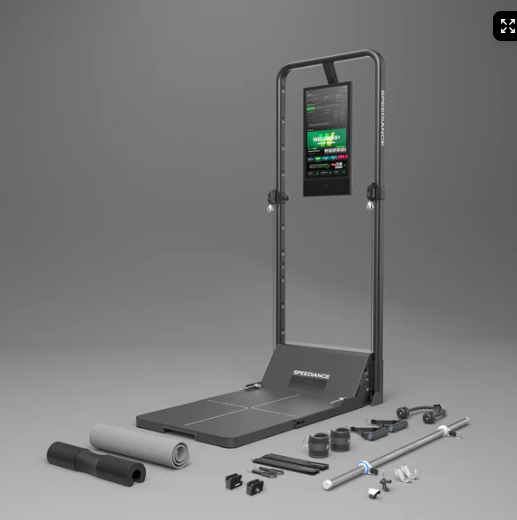
Features The Gym Monster 2 is a compact, foldable all-in-one trainer with a 21.5-inch touchscreen, digital resistance, a Bluetooth ring that lets you adjust weight without touching the screen, and AI-assisted rep tracking. Unfolded it takes up about 9 square feet; folded flat against a wall it shrinks to roughly 2.7 square feet. It ships with a barbell, handles, ankle straps, a bench, and rowing attachments depending on the package.
Real User Consensus Reviewers across multiple outlets agree on the same trade-off: Speediance is the “budget-friendly Tonal.” The hardware and classes aren’t quite as polished, but you’re not locked into a required subscription — the core Free Lift mode and a large workout library work right out of the box, forever. The most repeated complaint is software reliability: reviewers mention the machine occasionally losing Wi-Fi connection mid-session, and the included handles and grips feel cheaper than the main unit. Customer support also gets called out as inconsistent.
Pros and Cons
- Pro: No mandatory subscription to use core features
- Pro: Folds down to a very small footprint
- Pro: Bluetooth ring makes adjusting weight mid-set genuinely convenient
- Con: Occasional connectivity glitches during workouts
- Con: Accessory build quality is a step below the main machine
- Con: Optional Wellness+ subscription is needed for deeper AI coaching
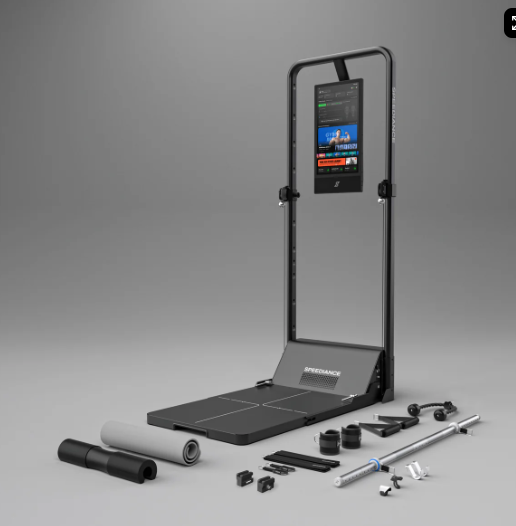
Best For Renters and apartment dwellers who want smart-gym features without being locked into a monthly fee forever.
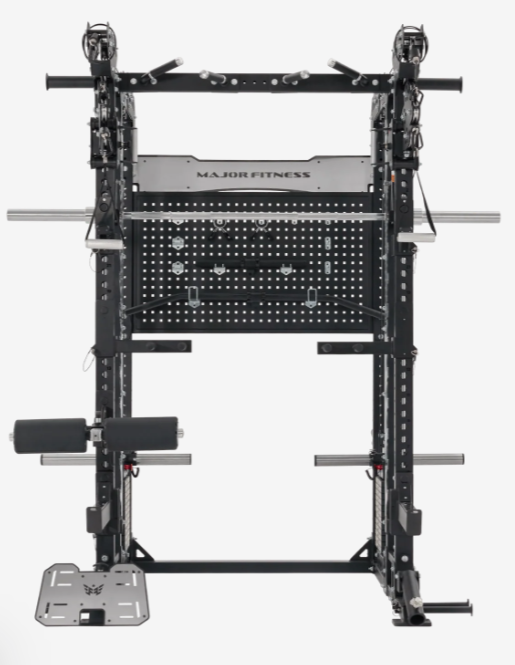
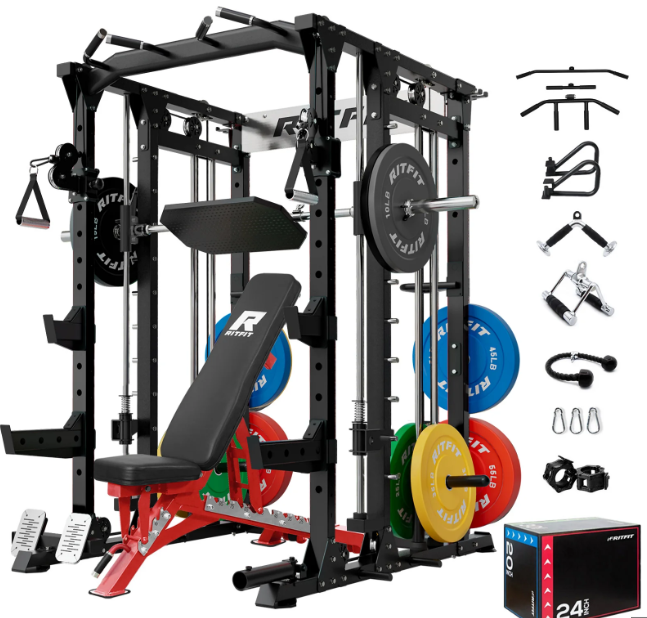
4. Major Fitness B17 Flying Fortress — Best Premium All-In-One Rack
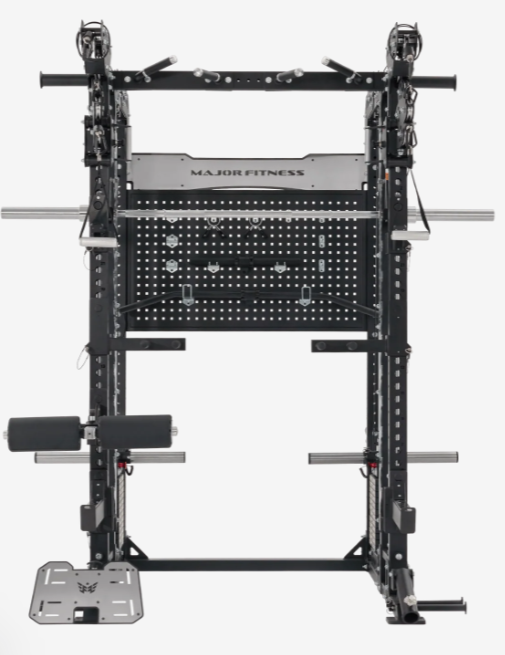
Features This is a five-in-one setup combining a half rack, a Smith machine, a dual adjustable pulley cable system with interchangeable 1:1 and 2:1 ratios, a full calisthenics station, and a landmine attachment. It’s built from 12-gauge steel up front and 14-gauge steel on the middle and rear uprights, and it’s rated to survive a 1,000 lb drop test. Price sits around $4,000.
Real User Consensus Independent testers who’ve spent real time assembling and using the B17 describe it as feeling closer to commercial gym equipment than almost anything else in the home gym space. The most common piece of feedback: assembly is a serious project, often taking around 10 hours because of the sheer number of parts, even though the instructions themselves are clear. Reviewers also point out the one-year warranty feels short given the price tag.
Pros and Cons
- Pro: Genuinely replaces a rack, Smith machine, and cable station in one unit
- Pro: Commercial-grade steel construction that doesn’t wobble under heavy lifts
- Pro: Interchangeable pulley ratios add real training versatility
- Con: Roughly 10 hours of assembly time
- Con: One-year warranty is short for a $4,000 machine
- Con: Needs serious floor space and ceiling height
Best For Serious lifters or small training studios who want one centerpiece machine that can genuinely replace a small commercial gym’s worth of equipment.
Best Free Home Workout Equipment
Now here’s the section a lot of “reviews” skip, because there’s no commission in it for them. If your budget is tight, you do not need to spend a dollar to get a real workout in.
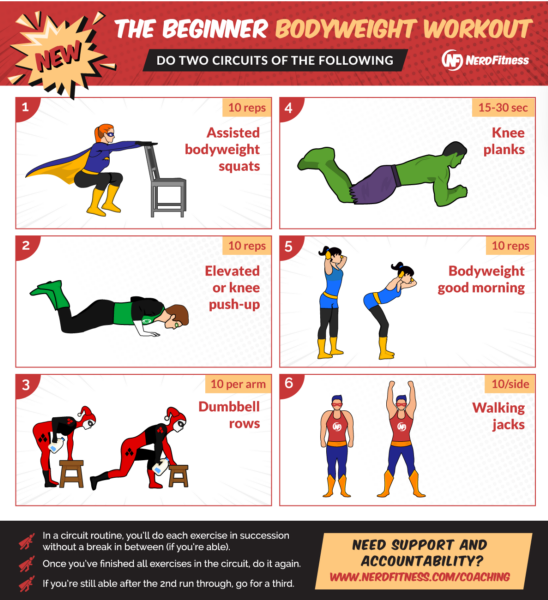
Push-ups, squats, lunges, planks, mountain climbers, and burpees train nearly every major muscle group using nothing but your own bodyweight and gravity. Progressive overload — the thing that actually builds strength — still works here. You just change the lever: slow the tempo down, add pauses, elevate your feet, or move to single-limb versions (like pistol squats or one-arm push-ups) as you get stronger.
A few near-zero-cost additions stretch this even further without buying a “system”:
- A doorway pull-up bar costs very little and adds back and bicep work that bodyweight floor exercises can’t fully replace.
- A sturdy backpack loaded with books gives you adjustable resistance for squats, lunges, and rows.
- Stairs at home or a nearby park bench work great for step-ups and elevated push-ups.
The honest limitation: bodyweight training gets harder to progress once you’re strong relative to your own weight. At that point, people typically add a cheap pair of resistance bands or a couple of adjustable dumbbells before they ever need a machine like the ones above. That’s a natural, and completely valid, next step — not a failure of the free approach.
Buying Guide and Expert Advice
Here’s how to actually pick the right one for you, without the buyer’s remorse.
Start with space, not price. Measure your ceiling height and floor space before you fall in love with a machine online. A wall-mounted system like Tonal needs stud access and clearance. An all-in-one rack like the B17 needs real square footage and height. Know your room before you shop.
Be honest about your consistency style. If you know you’ll skip workouts without some kind of guided coaching or gamified progress tracking, a smart system with app-based programming (Tonal, Speediance) will likely get used more often than a machine that just sits there waiting for you to design your own routine.
Think about total cost, not just sticker price. A $4,295 machine with a required monthly subscription costs a lot more over three years than a $1,600 machine with no ongoing fees. Do that math before you commit.
Don’t ignore assembly time and warranty length. A 10-hour assembly and a one-year warranty on a $4,000 purchase are real factors, not footnotes. Factor them into your decision the same way you’d factor in price.
You’re allowed to start free. If you’re not sure you’ll stick with a home routine yet, start with bodyweight training and a $20 set of resistance bands. Prove to yourself you’ll actually use it consistently for a couple of months. Then, if you outgrow it, invest in a real system with confidence instead of guessing.
Is a home gym system actually worth it compared to a gym membership?
For people who train consistently and value flexibility, yes — the math works out in your favor within a few years, since you skip the commute and the recurring membership fee. For beginners who need social accountability or a wide variety of equipment, a gym membership is often the better starting point.
How much does a good home workout system cost?
Budget machines like resistance bands and adjustable dumbbells start under $50. Mid-range multi-gyms like the Bowflex Xtreme 2 SE run around $1,500 to $1,600. Premium smart systems like Tonal or Speediance sit between $3,750 and $4,300, and all-in-one racks like the Major Fitness B17 land around $4,000.
Can you build real muscle with just bodyweight exercises?
Yes, especially if you’re newer to training. Push-ups, pull-ups, squats, and planks can build meaningful strength and muscle, particularly when you increase difficulty through tempo changes, added reps, or single-limb variations. Progress does slow down for advanced lifters who eventually need external resistance to keep overloading their muscles.
Do smart home gyms require a monthly subscription?
It depends on the brand. Tonal requires an ongoing subscription to access its full coaching library. Speediance’s Gym Monster 2 does not require a subscription for its core Free Lift mode and workout library, though an optional Wellness+ subscription adds AI coaching features
What’s the best home workout system for a small apartment?
Wall-mounted or foldable systems make the most sense in tight spaces. Tonal mounts flat against a wall, while the Speediance Gym Monster 2 folds down to roughly 2.7 square feet when not in use.
How long do home gym machines typically last?
Mechanical systems using cables, pulleys, and steel frames (like the Bowflex or Major Fitness B17) tend to last many years with basic maintenance. Digital smart gyms depend more on electronics and software support, so their long-term lifespan is tied to how long the manufacturer keeps updating and supporting the hardware.
Final Verdict
If you want the simplest answer: start with what you’ll actually use. If money’s tight or you’re not sure you’ll stick with it, bodyweight training and a cheap set of bands is a completely legitimate way to start — don’t let anyone convince you that you need a $4,000 machine to get in shape.
If you’ve got the budget and the space, the Bowflex Xtreme 2 SE is the safest all-around bet for most people. If tech and coaching motivate you and space is tight, Tonal or the Speediance Gym Monster 2 are both worth it, depending on whether you want to pay for a subscription or avoid one. And if you’re a serious lifter who wants one machine to replace a small gym, the Major Fitness B17 earns its price tag.
Whatever you pick, the best home workout system is the one you’ll actually show up for. That’s the whole game.
Found this helpful? Do me a favor and share it with a friend who’s trying to figure out their own home gym setup — it might save them from an expensive mistake.
Grid

Furious Formulations Reviews: find out the secrets now
Effective Home Workout Routines: secrets routines fast
Best Home Gym Equipment Website: 4 secret Picks (2026)
Best Home Workout System Reviews: 4 tested that Work
exercise equipment reviews: 4 secrets

Leave a Reply